


Choosing the right helical gear affects how machines run. You must look at performance, efficiency, and application needs. Each gear type works best for certain tasks. > Careful selection helps achieve smooth operation and lasting reliability. This guide will help you make informed decisions.
Helical Gear Types and Applications
Parallel Shaft Helical Gears
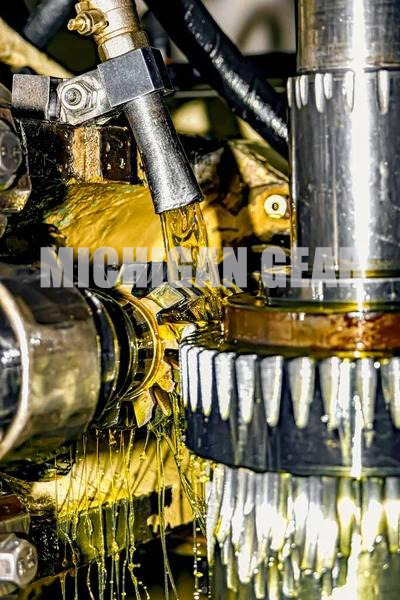
Parallel shaft helical gears are common in many gear applications. These gears have cylindrical shapes and helical teeth set at a specific angle. The teeth engage gradually, which makes operation smoother and quieter than spur gears. The higher contact ratio reduces vibration and noise. Parallel shaft helical gears can handle heavier loads because of their robust tooth structure. The angled teeth create axial forces, so special bearing designs are needed.
●Cylindrical shape with angled teeth
●Smooth and quiet operation
●Reduced vibration and noise
●Handles heavy loads
●Requires specific bearings for axial forces
Non-Parallel Shaft (Spiral) Helical Gears
Non-parallel shaft helical gears, also known as crossed-axis or spiral helical gears, transfer motion between shafts that do not run parallel. These gear types use the same hand for both gears, either right-hand or left-hand. Spiral helical gears are useful in gear applications where space is limited or where the direction of motion must change. They are often found in specialized machinery and equipment.
Tip: Choosing the correct hand for spiral helical gears ensures proper engagement and efficient operation.
| Shaft Type | Required Hands | Primary Function |
|---|---|---|
| Parallel | Opposite (RH + LH) | Power transfer between parallel axes |
| Crossed-Axis | Same (RH + RH or LH + LH) | Power transfer between non-parallel axes |
Common Uses in Power Transmission
Helical gears play a key role in power transmission across many industries. Their ability to handle high loads and operate quietly makes them ideal for demanding gear applications. The following table shows where these gear types are most often used and the typical load requirements.
| Industry | Typical Load Requirements |
|---|---|
| Industrial Chemistry | Used for slowing down centrifugal compressors and turbines, requiring proper cooling and lubrication for efficiency. |
| Automotive | Preferred for their durability, suitable for demanding applications like transmissions due to larger surface area for load support. |
| General Machinery | Capable of handling high rotational speeds and heavy item loads, ideal for continuous operation. |
Helical gear types are essential in automotive transmissions, industrial machinery, and chemical processing equipment. These gear applications demand reliability and efficiency. Helical gears support continuous operation and help reduce maintenance needs. Their design allows for smooth power transmission and improved performance in many settings.
Load Capacity and Performance Factors
Helix Angle Impact
The helix angle is a key factor in determining load capacity and gear performance. This angle describes how the teeth are slanted on the gear. When the helix angle increases, the gear teeth engage more gradually. This creates smoother movement and reduces noise during operation. The helix angle also produces axial thrust, which pushes the gear along its axis. Axial thrust must be managed with strong bearings. The relationship between helix angle and pressure angle affects the forces acting on the gear. These forces influence load capacity and efficiency. Higher helix angles allow helical gears to handle greater loads and operate at higher speeds. However, they also require careful design to control the extra forces generated.
Note: Choosing the right helix angle improves gear performance and supports reliable power transmission. It is important to balance smooth operation with the need for strong bearings.
Overlap Ratio and Pressure Angle
The overlap ratio measures how many teeth are in contact at any time. Helical gears have an overlap ratio greater than one, which means several teeth engage together. This provides continuous power flow and increases load capacity. Spur gears have an overlap ratio less than one, so their teeth engage only briefly. This causes torque fluctuation and reduces gear performance.
| Overlap Ratio | Engagement | Result |
|---|---|---|
| < 1 | Intermittent | Torque Fluctuation |
| > 1 | Continuous | Smooth Power Flow |
The pressure angle is another important factor. It affects the strength of the gear teeth and the forces on the bearings. A larger pressure angle increases the force on the bearings, which can shorten the operational life of the gear. The pressure angle and helix angle together determine how forces are transmitted between the teeth. This influences load capacity and gear performance.
●The pressure angle affects tooth strength and durability.
●Larger pressure angles increase bearing forces.
●The combination of pressure angle and helix angle controls force transmission and axial thrust.
Load Distribution and Shock Resistance
Helical gears distribute load across multiple teeth. This improves load capacity and reduces stress on each tooth. The gradual engagement of teeth helps absorb shocks and vibrations. This makes helical gears more resistant to sudden changes in load. Good load distribution supports longer gear life and better gear performance. It also helps maintain smooth power transmission in demanding applications.
Tip: For applications with heavy loads or frequent shocks, select helical gears with optimized helix and pressure angles. This ensures maximum load capacity and reliable operation.
Helical gear systems are designed to handle high load capacity and provide consistent gear performance. Proper selection of helix angle, overlap ratio, and pressure angle is essential for achieving smooth power transmission and long-lasting durability.
Efficiency and Noise in Helical Gears
Efficiency Compared to Other Gears
Gear efficiency is important for every machine. Helical gears show high gear efficiency because their teeth engage smoothly. This smooth meshing reduces impact losses and helps keep energy use low. Helical gear systems often reach gear efficiency levels of 98-99%. Spur gears also have high gear efficiency, but helical gears offer quieter operation.
The angled teeth in helical gears create sliding friction. This friction causes minor energy loss as heat. Axial thrust is another factor. Helical gears push against their bearings, which adds friction and lowers gear efficiency. Managing axial thrust is important for keeping gear efficiency high in power transmission systems.
| Factor | Impact on Efficiency | Explanation |
|---|---|---|
| Meshing | Very High | Smooth, gradual engagement minimizes impact losses. |
| Friction | Minor Loss | Sliding contact along the tooth face generates heat. |
| Axial Thrust | Major Loss | Requires thrust bearings, which add significant friction. |
Tip: Helical gears deliver reliable power transmission with high gear efficiency, but proper bearing selection is key to minimizing energy loss.
Noise and Vibration Reduction
Helical gears are known for quiet operation. Their angled teeth allow gradual engagement, which reduces shock and vibration. This design spreads the load across several teeth, lowering pressure and impact. The overlap ratio in helical gears is greater than one. This means more teeth share the load, so torque fluctuations and vibration decrease.
●Gradual engagement of teeth reduces shock during meshing.
●The helix angle ensures smooth power transfer.
●Continuous tooth contact minimizes vibration and noise.
Helical gear systems operate more quietly than spur gears. The design helps prevent sudden impacts and keeps machines running smoothly. Lower noise and vibration make helical gears ideal for environments where quiet power transmission is needed.
Material and Durability Choices
Gear Material Selection
Choosing the right material is essential for the durability and performance of a helical gear. Different materials offer unique mechanical properties that suit various applications. Case-hardened steels, such as 8620 and 9310, provide high strength and excellent wear resistance. These materials are ideal for high-load and high-impact situations. Through-hardened steels like 4140 and 4340 deliver good toughness and consistent strength, making them suitable for moderate loads. Plastics, including Delrin and Nylon, are self-lubricating and operate quietly. These materials work best in low-load applications where noise reduction is important.
| Material Category | Common Examples | Primary Use Case |
|---|---|---|
| Case-Hardened Steel | 8620, 9310 | High-load, high-impact |
| Through-Hardened Steel | 4140, 4340 | Moderate, consistent load |
| Plastics | Delrin, Nylon | Low-load, low-noise |
Selecting the right material helps ensure reliable power transmission and extends the life of helical gears.
Surface Treatments
Surface treatments play a key role in improving the durability of helical gears. Laser-induced discrete hardening units (DHUs) increase wear resistance and extend gear lifespan. This treatment reduces frictional power by up to 27.10%. It also improves oil film thickness and lowers oil film pressure, which helps retain lubricant and reduces wear on the gear surface. Enhanced lubrication conditions lead to smoother operation and longer service life. Surface treatments make helical gears more reliable in demanding environments.
Tip: Applying advanced surface treatments can boost gear performance and reduce maintenance needs.
Design and Specification Essentials
Hand of Helix
Hand of helix is a key part of gear design. It describes the direction the teeth slant on a helical gear. Left-hand and right-hand helix options both create axial thrust and support high loads. The choice depends on the gear design and how the gears will mesh. Both types offer quieter operation because the teeth engage gradually. The table below shows the main features of each helix direction:
| Feature | Left-Hand Helix | Right-Hand Helix |
|---|---|---|
| Tooth Direction | Slants to the left | Slants to the right |
| Axial Thrust | Develops axial thrust | Develops axial thrust |
| Noise and Vibration | Generally quieter due to gradual contact | Generally quieter due to gradual contact |
| Load Capacity | Better suited for high loads | Better suited for high loads |
| Power Transmission Capacity | Lower compared to double helical gears | Lower compared to double helical gears |
Tip: Always match the hand of helix to the shaft arrangement in your gear design for smooth power transmission.
Single vs. Double Helical Gear
Gear design often requires choosing between single and double helical gears. Single helical gears produce axial thrust, which means thrust bearings are needed. Double helical gears cancel out this thrust, so they reduce maintenance on bearings. Double helical gears can transmit more power and usually have higher efficiency. They cost more because their gear design is complex and needs precise alignment.
●Single helical gears create axial thrust and need thrust bearings.
●Double helical gears cancel axial thrust, reducing bearing maintenance.
●Double helical gears transmit more power and have higher efficiency.
●Double helical gears require precise alignment and cost more to manufacture.
Housing and Alignment
Housing and alignment are important in gear design. The housing must support the gear and keep it stable. Proper alignment ensures the teeth mesh correctly and prevents vibration. Misalignment can cause noise and reduce the life of the gear. Double helical gears need more precise alignment than single helical gears. Good housing and alignment help maintain smooth power transmission and protect the gear from damage.
Note: Careful attention to housing and alignment in gear design improves reliability and extends gear life.
Lubrication and Maintenance Needs
Lubrication Methods
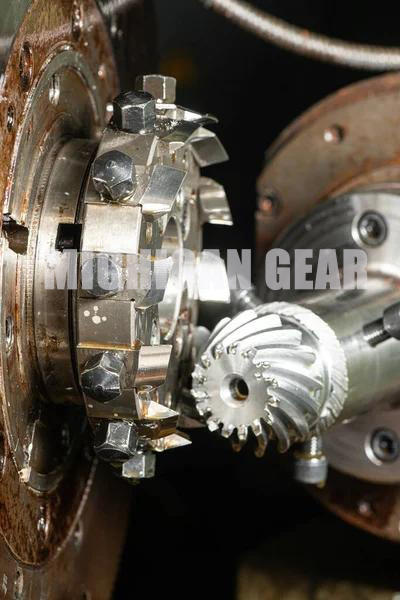
Lubrication is essential for the smooth operation of helical gears. These gears create more heat and pressure than other types because of their sliding action. Specialized lubricants with high film strength are needed to protect the gear teeth, especially in high-speed or high-torque situations. Lubricants with Extreme Pressure (EP) additives are often used. These additives form a protective layer on the metal surfaces when heat and pressure rise. This layer prevents wear and damage, even if the main oil film breaks down. Choosing the right lubricant helps maintain efficiency and extends the life of the helical gear in power transmission systems.
Tip: Always check the manufacturer’s recommendations for lubricant type and change intervals to keep gears running smoothly.
Maintenance Practices
Regular maintenance keeps helical gears reliable and efficient. A good maintenance program includes systematic monitoring, lubrication management, and routine inspections. Condition monitoring tools, such as vibration analysis and thermal imaging, help detect problems early. Using coatings like specialized PVD or carbon-based coatings can increase surface hardness and reduce friction. These coatings also protect against corrosion and wear.
| Maintenance Practice | Description |
|---|---|
| Specialized PVD Coatings | Increases surface hardness and durability, extending lifespan under high-load conditions. |
| Carbon-based Coatings | Offers extreme surface hardness, low friction, and anti-corrosion properties. |
| Lubrication Management | Proper oil selection and change intervals are critical for component life and efficiency. |
A step-by-step approach helps ensure long service life:
1.Select the right oil for the application.
2.Set regular oil change intervals.
3.Control contamination in the system.
Note: Preventive maintenance and proper lubrication are key to reliable gear operation and long-term performance.
Environmental and Future Trends
Thermal Expansion and High-Speed Use
Thermal expansion can change the way a helical gear works in high-speed applications. When gears heat up, not only the gear but also shafts, bearings, and housings expand. Even small changes can affect systems that need precise alignment. Different materials expand at different rates, which can cause stress and misalignment. Shafts may grow longer or wider, shifting the gear mesh away from its best position. If the center distance between gears changes, backlash can increase or decrease. This may lead to binding, overheating, or heavy impact loads. Keeping the correct contact pattern across the tooth face is important. Uneven load distribution can cause early failure.
Outdoor and extreme conditions require careful gear selection. Environmental factors include:
●Temperature extremes
●Moisture exposure
●Chemical compatibility
●Contamination resistance
●Protection standards for dust and moisture
New Technologies in Helical Gears
Modern manufacturing methods are changing how helical gears are made. Powder metallurgy helps produce small, complex gears in large numbers. This process uses materials efficiently and reduces waste, making it eco-friendly. 5-axis CNC grinding improves precision and lowers noise. Advanced composite materials, like carbon fiber reinforced with EN36 steel, reduce gear weight by over 25%. Lighter gears mean less rotational inertia and better performance.
| Technology Trend | Primary Benefit | Application Impact |
|---|---|---|
| Advanced Composite Helical Gear | Increased strength and efficiency | Maximizes power density and operational life |
| Specialized Surface Coatings | Reduced friction and wear | Extends service life and improves efficiency |
| Integrated Sensors | Real-time condition monitoring | Enables predictive maintenance and reliability |
Sustainability is also important. Dry grinding techniques lower energy use and costs by removing lubricants. Bio-based polymers are replacing fossil-based plastics, improving performance and lasting longer. These changes help make power transmission systems more reliable and environmentally friendly.
Selecting the right helical gear depends on several important factors:
●Application requirements, including speed and torque
●Load capacity and efficiency
●Space and design constraints
●Material selection for strength and durability
●Noise and vibration control
●Maintenance needs
Engineers use tools to match helical gears to specific needs:
| Selection Tool | Description |
|---|---|
| Tooth Profile Optimization | Improves load distribution and reduces stress |
| Material Selection | Ensures durability under different loads |
| Finite Element Analysis (FEA) | Simulates stress and fatigue for better design |
| Computational Fluid Dynamics | Analyzes lubrication and airflow |
| Multi-Physics Coupling | Integrates thermal, structural, and fluid analyses |
Consider both current and future needs when choosing helical gears. Consulting experts and using selection tools can help achieve reliable performance.
FAQ
What is the main advantage of helical gears over spur gears?
Helical gears operate more quietly and handle higher loads. The angled teeth engage gradually, which reduces vibration and improves performance.
How do I choose the right material for a helical gear?
Select material based on load, speed, and environment. Steel suits heavy loads. Plastics work well for low-noise, light-duty applications.
Why is proper lubrication important for helical gears?
Lubrication reduces friction and wear. It helps maintain efficiency and extends gear life. Always follow manufacturer guidelines for lubricant selection.
Post time: Mar-09-2026