


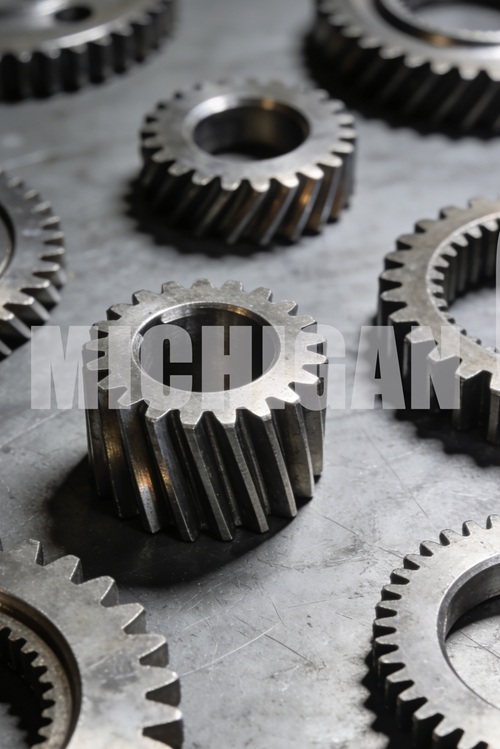
Choosing between helical gear and spur gear depends on specific engineering needs. Each gear type shows unique advantages and limitations. Performance often relates to factors such as speed, torque, noise level, budget, and space constraints.
| Factor | Description |
|---|---|
| Speed (RPM) | The operational rotational speed required. |
| Torque | The rotational force the gear must transmit. |
| Noise Level | The acceptable level of sound during operation. |
| Budget | The cost constraints for the component. |
| Space Constraints | The physical space available for the gear system. |
Key Takeaways
●Helical gears provide smoother operation and higher load capacity, making them ideal for heavy-duty applications.
●Spur gears are cost-effective and easier to maintain, suitable for moderate loads and simpler machinery.
●Consider factors like noise level, load requirements, and maintenance needs when choosing between helical and spur gears.
Gear Types Overview
What Is a Helical Gear
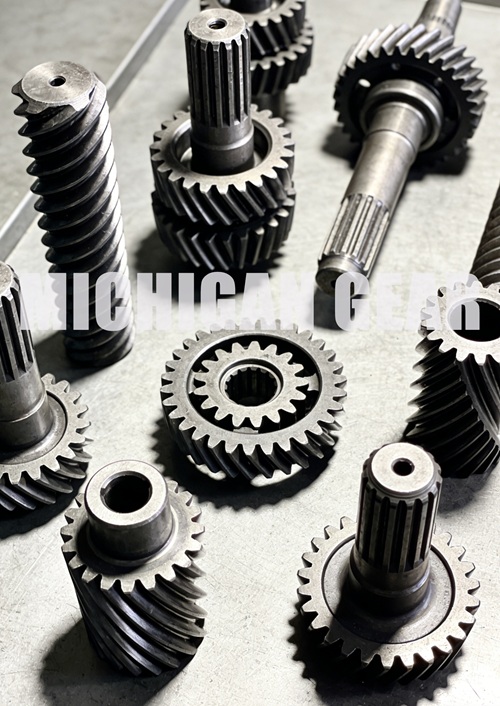
A helical gear features teeth that are cut at an angle, usually between 12 and 20 degrees, relative to the axis of rotation. This angled design allows the teeth to engage gradually, which results in smoother and quieter operation. Helical gears can transmit power between both parallel and non-parallel shafts. They are often found in automotive systems, power generation equipment, and heavy machinery. The angled teeth also increase the contact area, allowing the gear to handle higher loads and provide greater tooth strength. However, this design creates axial thrust, which must be managed in the gear system.
Tip: Helical gears are valued for their smooth motion and ability to operate at higher speeds and loads.
What Is a Spur Gear
Spur gears have straight teeth that are parallel to the axis of rotation. This simple design makes them easy to manufacture and cost-effective. Spur gears are commonly used in applications where moderate power transmission and efficiency are required, such as in basic machinery and low-speed devices. They typically achieve high efficiency, ranging from 95% to 98%, at moderate speeds. Spur gears are best suited for transmitting power between parallel shafts and do not produce axial thrust.
Key Differences
| Feature | Helical Gears | Spur Gears |
|---|---|---|
| Tooth Angle | Angled (12-20 degrees) | Parallel to the axis of rotation |
| Power Transmission Efficiency | More efficient at higher speeds and loads | More efficient overall, no axial thrust |
| Durability | More teeth contact, less wear, but produces axial thrust | Less wear, single tooth loading |
| Noise & Vibration | Lower noise and vibration due to gradual engagement | Higher noise and vibration |
| Speed Performance | Handles higher speeds and torque | Limited speed performance |
| Load Bearing | Higher load-bearing capability due to more contact | Limited load-bearing capability |
| Cost of Manufacture | More complex and expensive to produce | Simpler and less expensive to produce |
| Contact Ratio | Higher contact ratio (>2) | Lower contact ratio (1.2 – 1.6) |
Helical gears offer smoother operation and higher load capacity, while spur gears provide simplicity and cost savings. The choice depends on the needs of the application.
Helical Gear Efficiency
Power Transmission
Power transmission efficiency is a key factor when comparing gear types. Both helical gear and spur gear can achieve high efficiency in most applications. The efficiency range for each gear type is shown below:
| Gear Type | Efficiency Range |
|---|---|
| Spur | 98-99% |
| Helical | 98-99% |
Spur gears often have a slight advantage in efficiency. This is because their straight teeth create less sliding friction during operation. Helical gear, with its angled teeth, experiences more sliding contact. This leads to a small increase in power loss. However, both gear types perform well in most industrial settings.
The design of the gear teeth also affects how power is transmitted. Helical gear teeth engage gradually. This smooth engagement reduces shock loads and allows for quieter operation. The contact ratio, which measures how many teeth are in contact at once, is usually higher in helical gears. A higher contact ratio means that more teeth share the load. This reduces the stress on each tooth and helps the gear run smoothly.
Studies show that increasing the contact ratio lowers dynamic loads in gears. For example, Liou et al. (1992) found that a higher contact ratio reduces dynamic load in gears with a contact ratio below 2.0. Drago et al. (1993) observed that high contact ratio spur gears are quieter than those with a lower contact ratio. These findings highlight the importance of tooth design and contact ratio in gear efficiency.
Energy Losses
Energy losses in gears mainly come from friction. In spur gears, the teeth mesh directly with little sliding. This keeps energy losses low. In helical gear, the angled teeth create more sliding friction as the gears turn. Sliding friction is the main source of energy loss in helical gears. The relative motion between tooth surfaces at the point of contact causes this friction. The total friction power loss includes both sliding and rolling friction.
●Sliding friction increases energy loss in helical gear compared to spur gear.
●The amount of energy lost depends on the helix angle and the speed of operation.
●More sliding means more heat and slightly lower efficiency.
The force applied to a tooth in helical gear affects stress performance more than in spur gear. The helix angle and tooth spacing also play a role in how energy is lost. Research shows that helical gears experience about 12% higher stress under double contact conditions. This is due to the inclined tooth design, which can lead to uneven stress distribution.
Note: While helical gear may have slightly higher energy losses, the benefits of smoother operation and higher load capacity often outweigh this drawback in many applications.
Load Capacity Comparison
Handling High Loads
Gears must handle different levels of force in machines. The ability to carry heavy loads depends on the gear’s design and how the teeth touch each other. Helical gear stands out in this area. The angled teeth allow more surface contact between gears. This means the load spreads over a larger area, making it easier for the gear to handle higher torque.
Here is a comparison of load capacity:
| Gear Type | Load Capacity Comparison |
|---|---|
| Helical | Higher load capacity due to larger contact areas and better load distribution. |
| Spur | Moderate load capacity, less capable of carrying heavy loads due to smaller contact area. |
●
Helical gears can handle 20-30% higher torque than spur gears.
●The angled tooth contact in helical gears distributes loads across multiple teeth, allowing for safer transmission of 25% higher torque.
This makes helical gears a top choice for machines that need to move or lift heavy objects.
Stress Distribution
The way gears share stress affects their lifespan and performance. Helical gears distribute the load across several teeth at once. This reduces the strain on each tooth and lowers the chance of damage. In spur gears, the load often sits on just one or two teeth, which can lead to faster wear.
Studies show that helical gears can achieve load-sharing ratios between 33:67 and 45:55. This means two teeth can work together to handle the torque. Better load sharing leads to improved durability and smoother operation.
Note: Good stress distribution helps gears last longer and perform better in demanding jobs.
Speed and Performance
High-Speed Operation
Gears often run at different speeds depending on the machine. Some gears work better than others when the speed increases. Helical gear stands out in high-speed applications. Its angled teeth allow for gradual engagement, which reduces noise and vibration. This design helps the gear run smoothly, even at high rotational speeds. Many industries choose helical gear for machines that need to operate quietly and efficiently at fast speeds.
The table below shows how spur gears and helical gears compare in high-speed situations:
| Gear Type | Noise Level | Speed Capability | Load Capacity |
|---|---|---|---|
| Spur Gears | High Noise | Low Speed | Low Load |
| Helical Gears | Low Noise | High Speed | High Load |
Helical gears are often used in automotive transmissions and industrial equipment where quiet, reliable performance is important.
Speed Limitations
Spur gears have some challenges at higher speeds. Their straight teeth cause the entire face of the tooth to engage at once. This sudden contact creates a hammering effect, which can lead to several issues:
●Abrupt tooth engagement increases noise and stress at high speeds.
●Chattering may occur, risking gear failure over time.
●Noise and vibration become significant above 1,000 RPM.
●Shock loading on individual teeth can reduce service life.
●Frequent impacts generate dynamic loads, which may affect system reliability.
These factors set a practical speed limit for spur gears, especially in heavy-duty or precision applications. Helical gears, with their smoother engagement, avoid many of these problems and are better suited for high-speed use.
Durability and Maintenance
Lifespan
The lifespan of gears depends on the type of machinery and how the gears are used. Different machines put different levels of stress on their gears. The table below shows the average operational lifespan for gears in several types of heavy equipment:
| Machinery Type | Average Gear Lifespan |
|---|---|
| Excavators | 5-7 years |
| Bulldozers | 4-6 years |
| Cranes | 6-8 years |
| Mining Equipment | 3-5 years |
| Agricultural Machinery | 7-9 years |
Gears in agricultural machinery often last the longest. Mining equipment gears usually have the shortest lifespan because they face harsh conditions. The design of the gear also plays a role. Helical gear tends to last longer in high-load and high-speed applications because its angled teeth spread the force over more area, reducing wear.
Maintenance Needs
Maintenance requirements differ between gear types. Helical gears need more attention because their design creates axial thrust. This thrust requires special thrust bearings and specific lubricants to handle the extra sliding friction. Regular checks for lubricant quality and bearing condition help prevent breakdowns. Spur gears are simpler and easier to maintain, but they produce more noise and impact stress. This can lead to faster wear if not monitored. Proper maintenance for both types includes routine inspections, timely lubrication, and replacing worn parts to ensure reliable operation.
Tip: Scheduled maintenance extends gear life and helps avoid costly repairs.
Noise and Vibration
Operating Noise
Noise is a major factor when choosing gears for machines. Helical gears are known for their quiet operation. The angled teeth allow the gears to engage gradually. This smooth contact reduces the sound made during operation. In many tests, helical gears run about 10 decibels quieter than spur gears on average. At normal speeds between 1000 and 3000 RPM, the noise difference is usually 2 to 4 decibels. When machines run faster, the gap grows. At speeds from 3000 to 5000 RPM, helical gears can be 15 to 20 decibels quieter than spur gears. This lower noise level makes them a good choice for equipment used in offices, hospitals, or other places where quiet operation is important.
Quieter gears help reduce stress for workers and protect hearing over time.
Vibration Levels
Vibration affects how smooth a machine feels and how long it lasts. Helical gears produce less vibration because their teeth slide into contact instead of hitting all at once. This smooth action lowers the shock and vibration that can damage parts. Machines with less vibration often last longer and need fewer repairs. However, the angled teeth in helical gears create a force along the axis of the shaft. This axial load must be managed with special bearings. While this adds some complexity, the benefits of smoother and quieter operation often outweigh the extra design steps.
●Helical gears: smoother, less vibration, but need to handle axial loads.
●Spur gears: more vibration, simpler design, no axial load.
Cost Factors
Manufacturing Costs
Manufacturing costs play a big role in gear selection. Helical gears usually cost more to make than spur gears. The angled teeth of helical gears require special machines and extra steps during production.
All things being equal, the helical gear will cost more every time.
Several reasons explain this price difference:
●The setup complexity for helical gears increases manufacturing costs.
●The cost difference can vary based on material and tooth count.
●Amortizing setup costs over multiple gears can mitigate the per-piece cost.
Spur gears have straight teeth, which makes them easier and faster to produce. This simplicity lowers the overall cost. When a project needs many gears, the cost gap may shrink because setup costs spread out over more pieces.
Installation and Upkeep
The total cost of a gear includes more than just making it. Installation and upkeep also matter. Helical gears need special bearings to handle axial loads. They also require advanced lubrication. These factors make installation more complex and can raise maintenance costs.
The table below compares the main cost factors for both gear types:
| Category | Spur Gears | Helical Gears |
|---|---|---|
| Unit Cost | Lower | Higher |
| Bearing Cost | Lower | Higher (due to axial load) |
| Installation | Easier | More complex |
| Lubrication | Basic | Advanced |
| Service Life | Moderate | Longer under heavy load |
Spur gears are easier to install and maintain. Helical gears may cost more at first, but they often last longer in tough jobs.
Application Suitability
Best Uses for Helical Gear
Helical gear works well in machines that need smooth and quiet operation. The angled teeth help reduce noise and vibration, making these gears ideal for places where silence matters. Many industries rely on helical gear for its ability to handle high loads and run at fast speeds. Some common uses include:
●Automotive engines and transmissions
●Machine tools for precise cutting and shaping
●Pumps and compressors in factories
●Robotics for controlled movement
●Aerospace technology for aircraft systems
●Heavy equipment like cranes and excavators
●Conveyors and elevators in buildings
●Printing and textile machinery
●Food and plastic industry machines
These gears also appear in hotel and catering equipment, steel mills, and blowers. Engineers choose helical gear when they need reliable performance and long-lasting parts.
Tip: Helical gear is a smart choice for machines that must run quietly and carry heavy loads.
Best Uses for Spur Gear
Spur gears are simple and easy to maintain. Their straight teeth make them perfect for machines that do not need to run at high speeds. Spur gears are often used in:
●Conveyor systems for moving materials
●Pumps and compressors for fluid transfer
●Machine tools for cutting and forming
●Gearboxes for changing speed and torque
●Washing machines and blenders
●Gear pumps in fluid power systems
●Conveyor belts in factories
Spur gears are popular in industrial settings because they are predictable and easy to repair. When a spur gear breaks, workers can quickly replace it by matching the size and tooth count. This makes spur gears a good fit for factories and places where downtime must be kept low.
Note: Spur gears are best for machines that need simple, reliable power transmission.
Performance Summary Table
Choosing the right gear depends on many factors. Engineers often compare gears by looking at important features. The table below shows how spur gears and helical gears perform in key areas. This summary helps readers see the strengths and weaknesses of each gear type at a glance.
| Feature | Spur Gears | Helical Gears |
|---|---|---|
| Noise Level | High | Low |
| Load Capacity | Good | Excellent |
| Axial Thrust | None | Yes |
| Efficiency | High | Slightly Lower |
●Noise Level: Spur gears make more noise during operation. Helical gears run much quieter because their teeth engage gradually.
●Load Capacity: Helical gears can handle heavier loads. Their angled teeth spread the force over more area, which increases strength.
●Axial Thrust: Spur gears do not create axial thrust. Helical gears produce a force along the shaft, so machines need special bearings to manage this.
●Efficiency: Spur gears have high efficiency. Helical gears lose a small amount of energy due to sliding friction, but still perform well.
Tip: Use this table to match the gear type to your project needs. For quiet and heavy-duty jobs, helical gears are often the best choice. For simple, cost-effective solutions, spur gears work well.
This summary gives a clear view of how each gear type performs. It helps readers make informed decisions when selecting gears for different machines.
Choosing the right gear depends on your needs. Helical gear offers quieter operation and higher load capacity. Spur gears cost less and suit moderate loads.
| Factor | Helical Gears | Spur Gears |
|---|---|---|
| Noise | Quieter | Louder |
| Cost | Higher | Lower |
| Load | Heavy | Moderate |
Gear specialists recommend considering load, noise, space, and maintenance. For critical jobs, consult an expert.
FAQ
What makes helical gears quieter than spur gears?
Helical gears have angled teeth. These teeth engage gradually. This smooth contact reduces noise and vibration during operation.
Can spur gears handle high-speed applications?
Spur gears work best at low to moderate speeds. High speeds can cause noise, vibration, and faster wear.
Which gear type is easier to maintain?
Spur gears are easier to maintain. Their simple design allows for quick inspection and replacement.
Post time: Apr-07-2026