


You will find several main types of cylindrical gears used in industrial applications, including spur gears, helical gears, double helical gears, internal gears, and planetary gears. Michigan Mech offers premium cylindrical gears engineered for precision and durability. Choosing the right gear type ensures reliable performance in demanding environments.
Cylindrical Gears Overview
What Are Cylindrical Gears
You use cylindrical gears to transmit power between parallel shafts. These gears have straight or angled teeth cut on the surface of a cylinder. The pitch surface forms a perfect cylinder, which allows for smooth and efficient motion. Cylindrical gears stand out because they offer high transmission speed, excellent power transfer, and easy maintenance. You can modify the tooth design to improve how the gears mesh and perform.
Here is a quick look at the main characteristics of cylindrical gears:
| Characteristic | Description |
|---|---|
| Normal module (m) | Measures the size of the gear teeth and affects how gears mesh together. |
| Helix angle at reference diameter (b) | In spur gears, this angle is 0º. In helical gears, it varies and affects smoothness. |
| Nominal pressure angle (a) | Defines the tooth profile and usually ranges from 14.5º to 25º. |
Importance in Industry
You rely on cylindrical gears for many industrial machines because they deliver reliable and efficient power transmission. Their design supports high load capacity and minimizes contact stress. When you choose gears made from high-quality materials, you get better strength and wear resistance. Michigan Mech uses advanced heat treatment and tight manufacturing tolerances to ensure each gear meets strict standards.
| Factor | Contribution to Efficiency and Reliability |
|---|---|
| Design | Minimizes stress and maximizes load capacity. |
| Material Selection | Increases strength and durability. |
| Geometry | Optimizes performance and reduces noise. |
| Lubrication | Lowers friction and extends gear life. |
| Heat Treatment | Boosts hardness and wear resistance. |
| Manufacturing Tolerances | Ensures smooth operation and high efficiency. |
Michigan Mech follows industry-leading standards, such as using 20MnCr5 steel, carburizing for heat treatment, and achieving a hardness of 58HRC with DIN 6 accuracy. You benefit from rigorous testing and detailed quality reports, so you can trust the gears to perform in demanding environments.
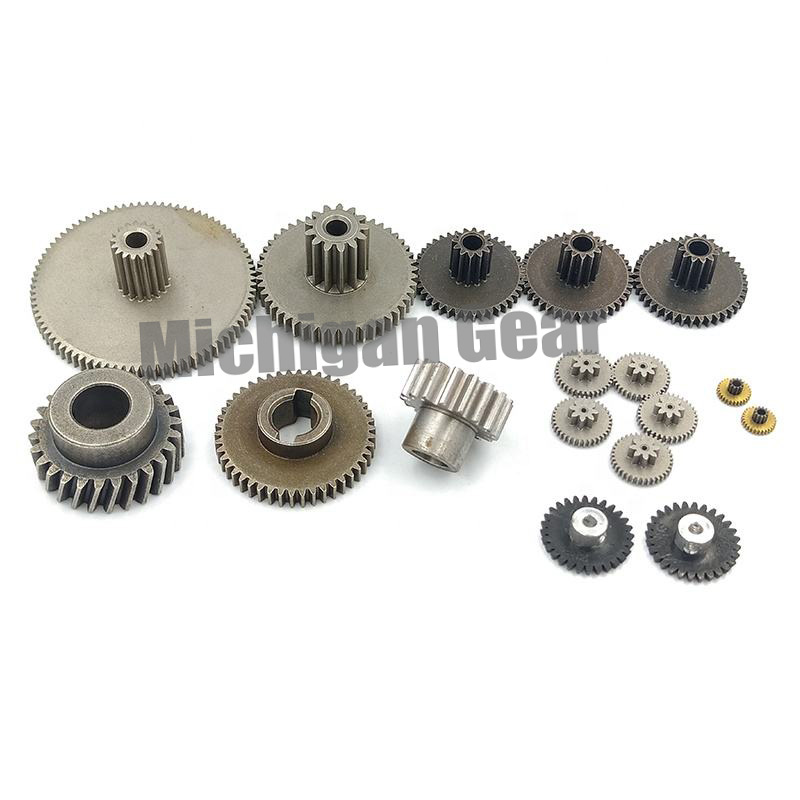
Types of Cylindrical Gears
Spur Gear Types
You will find spur gears as the most common and straightforward types of cylindrical gears. These gears have straight teeth cut parallel to the axis of rotation. This design allows you to achieve high efficiency and precise motion transfer. Spur gears work best when you need to transmit power between parallel shafts.
Tip: Spur gears are ideal for applications where simplicity, reliability, and cost-effectiveness matter most.
Here are some typical uses for spur gears:
● Transmissions
● Conveyor systems
● Speed reducers
● Engines and mechanical transportation systems
● Gear pumps and motors
You can see why spur gears remain popular in many industries. Their simple design makes them easy to manufacture and maintain. You also benefit from their durability and consistent performance.
| Feature/Advantage | Description |
|---|---|
| Simplicity of Design | Spur gears have a straightforward design with parallel teeth, making them easy to manufacture. |
| Cost-Effectiveness | They are the least expensive gears to produce, allowing for rapid production with minimal waste. |
| High Efficiency | Spur gears provide excellent performance at moderate speeds, ensuring effective power transmission. |
| Precision and Accuracy | They maintain consistent velocity and minimal error during operation. |
| Reliability | Spur gears are durable and rarely fail, making them a trusted choice in various applications. |
Michigan Mech offers a wide range of spur gears, including custom planetary spur gear drive shafts and miniature steel cylindrical gears. You can request custom sizes, materials, and tooth profiles to match your specific needs.
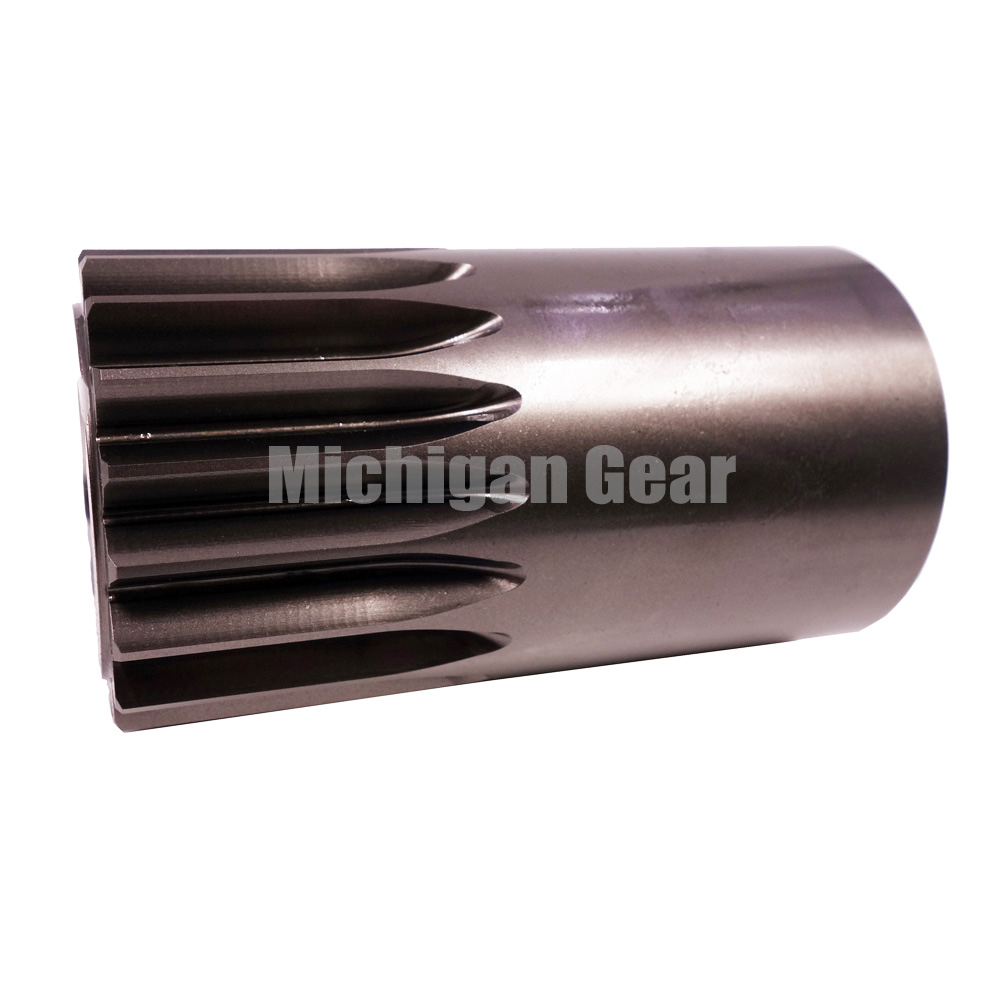
Helical Gear Types
Helical gears have teeth cut at an angle to the axis of rotation. This angled design allows you to achieve smoother and quieter operation compared to spur gears. You will notice that helical gears can handle higher loads and run at higher speeds.
Note: The gradual engagement of teeth in helical gears reduces vibration and noise, making them suitable for precision machinery and medical equipment.
You can choose from several types of helical gears, each with unique applications:
| Type of Helical Gear | Use Case Description |
|---|---|
| Herringbone Gear | Used in high-load and high-speed drive applications, providing smooth torque transmission and minimized vibration. |
| Helical Rack and Pinion | Converts rotational motion into linear motion, ideal for CNC machinery and robotics over long distances. |
| Screw Gears | Provides smooth screw-like motion, typically used in applications requiring quiet operation. |
| Helical Worm Gears | Used in industrial power transmission and conveyor systems, capable of significant speed reduction. |
| Bevel Helical Gearboxes | Changes the axis of rotation by 90 degrees, enhancing design flexibility for industrial machinery. |
| Automotive Helical Gears | Preferred for transmissions due to their durability and ability to handle heavier loads. |
| Industrial Chemistry Gears | Used to align speeds of centrifugal compressors and turbines with motors, essential for efficient operation. |
You will find helical gears in automotive transmissions, CNC machines, and conveyor systems. The smoother engagement and disengagement of helical gears lead to minimized vibrations, which is crucial for applications where low noise levels are essential.
| Feature | Spur Gears | Helical Gears |
|---|---|---|
| Tooth Engagement | Sudden | Gradual |
| Tooth Contact Ratio | Lower | Higher |
| Noise Level | Higher | Lower |
| Vibration Level | Higher | Lower |
| Load Capacity | Typically Lower | Typically Higher |
Michigan Mech provides custom helical gears with precision machining and advanced heat treatments. You can select from various materials and tooth configurations to optimize your gearbox design.
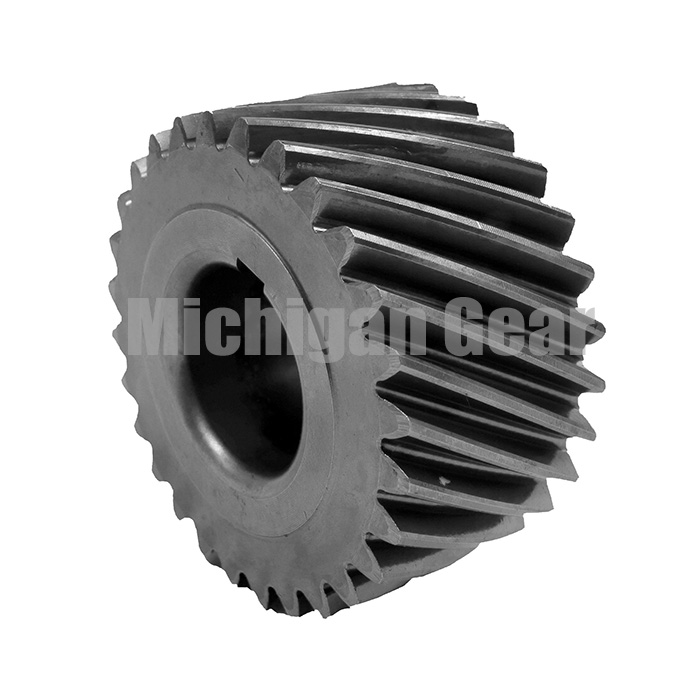
Double Helical Gear Types
Double helical gears, also known as herringbone gears, feature two sets of teeth arranged in opposite directions. This unique design eliminates axial thrust forces, which can otherwise cause wear on bearings and reduce system life. You gain enhanced stability and smoother operation with double helical gears.
Tip: Double helical gears are your best choice for heavy-duty applications that demand high load capacity and minimal vibration.
Key advantages of double helical gears include:
● The opposing tooth angles neutralize axial thrust, protecting your bearings.
● The design reduces noise and vibration, even under heavy loads.
● You achieve better load distribution and efficiency, especially in high-torque applications.
You will often find double helical gears in:
● Heavy machinery
● Automotive systems
● Aerospace equipment
● Power generation plants
● Mining, steel mills, and marine applications
Michigan Mech manufactures double helical gears with tight tolerances and robust materials. You can request custom solutions for demanding environments, ensuring reliable performance and long service life.
Internal Gear Types
Internal gears have teeth cut on the inside surface of a cylinder. This design allows you to create compact gear assemblies, as the mating gear rotates inside the internal gear. You benefit from enhanced load capacity and stability, especially in applications with limited space.
| Characteristic/Advantage | Description |
|---|---|
| Enhanced Load Capacity and Stability | Internal gears handle significant loads from multiple directions, distributing forces evenly, which enhances load capacity and stability during operation. |
| Space-Efficient Design for Compact Machinery | The integration of the gear within the bearing reduces the overall size and weight of machinery, making it ideal for applications with limited space. |
| Improved Performance and Reduced Maintenance | The design ensures precise meshing, reduces friction, and protects against contaminants, leading to enhanced performance, longevity, and reduced maintenance needs. |
You will see internal gears in planetary gear systems, automotive machinery, and compact industrial equipment. Michigan Mech customizes internal gears for specialized requirements. You can rely on their skilled professionals and rigorous quality control to deliver gears that meet strict industry standards.
| Feature | Description |
|---|---|
| Customization | Internal gears are tailored for various industrial applications. |
| Quality Assurance | Products undergo rigorous quality control tests to ensure durability. |
| Skilled Professionals | A team ensures adherence to strict quality guidelines during production. |
| Applications | Suitable for automotive, machinery, and other industrial uses. |
Note: You can consult Michigan Mech for custom internal gear solutions that fit your unique application.
By understanding these types of cylindrical gears, you can select the right gear types for your machinery. Michigan Mech supports you with a full range of options and customization capabilities for every industrial challenge.
Gear Types Comparison
Differences Between Gear Types
You need to understand how each cylindrical gear type performs in real-world settings. The table below highlights the main differences:
| Criteria | Spur Gear | Helical Gear | Double Helical Gear |
|---|---|---|---|
| Noise Level | High | Low | Very Low |
| Load Capacity | Good | Better | Best |
| Manufacturing Cost | Low | Medium | High |
| Axial Thrust | None | Yes | None |
| Typical Use Case | Simple Conveyors | Automotive Transmissions | Heavy Machinery |
Spur gears create more noise because their teeth engage suddenly. Helical gears operate more quietly and handle higher loads. Double helical gears offer the quietest operation and the highest load capacity. Internal gears excel in compact designs and high torque transmission, which you often see in planetary gear systems.
Application Suitability
You should match gear types to their common applications for the best results. Spur gears fit simple conveyors and gear pumps. Helical gears work well in automotive transmissions and CNC machines. Double helical gears serve heavy machinery and power plants. Internal gears support planetary gearboxes, industrial robots, and packaging machines. You will find that common applications often dictate the best gear type for your needs. For example, high-speed or high-torque machinery requires helical or double helical gears. Compact equipment benefits from internal gears, especially in production automation and robotics. Always consider the common applications before making your selection.
Selection Tips
You should follow these tips when choosing cylindrical gears for your machinery:
● Check the pressure angle, as it affects gear strength and geometry.
● Use modified hobs to improve gear performance.
● Review maintenance needs. Spur gears require less maintenance, while helical gears need thrust bearings.
● Look for industry standards like AGMA or ISO to ensure quality.
● Match the gear type to your common applications for optimal performance.
Tip: Consult with Michigan Mech experts to select the right gear for your common applications and ensure long-term reliability.
You can reference the table below to quickly compare cylindrical gear types and their features:
| Gear Type | Features | Applications |
|---|---|---|
| Spur gears | Simple, efficient, high wear | Automotive, industrial drives |
| Helical gears | Strong, silent, smooth action | Robotics, transmissions |
| Rack and pinion | Rotary to linear motion | Power-steering, handling |
| Bevel gears | Flexible, high load capacity | Differentials, mining |
| Worm gears | Compact, speed reduction | Indexing, reducers |
Selecting the right gear type matters because:
● Each gear suits specific operational conditions.
● Proper choice prevents wear, noise, and failure.
● Smart selection avoids downtime and boosts efficiency.
For complex gear selection, you should consult Michigan Mech’s experts. Their team helps you match load capacity, speed, and environment to the ideal gear solution.
FAQ
What materials do you use for Michigan Mech cylindrical gears?
You get gears made from premium materials like heat-treated alloy steel, 16MnCr5, and stainless steel. These materials ensure strength, durability, and resistance to wear.
Can you customize cylindrical gears for my application?
Yes. You can request custom sizes, tooth profiles, and materials. Michigan Mech engineers work with you to design gears that fit your specific requirements.
How do I choose the right cylindrical gear type?
Consider your load, speed, noise requirements, and space constraints. You can consult Michigan Mech experts for guidance on selecting the best gear for your application.
Post time: Dec-29-2025