


Helical gear systems offer smooth operation, high load capacity, and reliable performance in many machines. These gears work well in gearboxes and can connect shafts at different angles. However, they can generate extra force along the shaft and require special bearings, which may increase cost and complexity.
Key Takeaways
●Helical gears provide smooth and quiet operation, making them ideal for machines where noise reduction is crucial.
●These gears have a high load capacity, allowing them to handle heavier loads than many other gear types, which is beneficial for heavy-duty applications.
●Proper lubrication is essential for helical gears to maintain efficiency and prevent damage, highlighting the importance of regular maintenance.
Helical Gear Advantages
Smooth And Quiet Operation
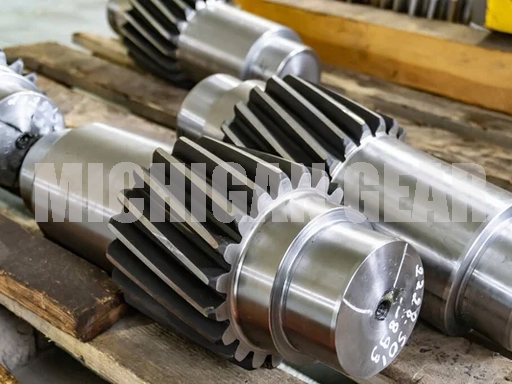
A helical gear stands out for its smooth and quiet performance. The angled teeth of this gear type engage gradually, which means the contact between teeth starts at one end and moves across the tooth face. This gradual engagement reduces sudden impacts and keeps vibration low. In fact, helical gears operate 10-20 decibels quieter than spur gears. The smooth power transfer makes them ideal for machines where noise reduction is important, such as in vehicles and industrial equipment.
Tip: The continuous contact between teeth in a helical gear helps minimize noise and vibration, making it a preferred choice for environments where quiet operation matters.
High Load Capacity
Helical gears can handle heavier loads than many other gear types. Their design allows multiple teeth to share the load at the same time, which spreads out the force and reduces stress on each tooth. This feature gives them about 50% higher load capacity compared to spur gears of similar size. The table below shows how helical gears compare to spur gears in terms of load capacity:
| Gear Type | Load Capacity Description |
|---|---|
| Helical Gear | Approximately 50% higher load capacity; contact ratio > 2.0; multiple teeth share load simultaneously |
| Spur Gear | Lower load capacity; contact ratio 1.2-1.6; single tooth engagement causing higher stress |
This makes helical gear systems a strong choice for heavy-duty applications, such as industrial machinery and construction equipment.
Even Load Distribution
The unique tooth design of a helical gear ensures that the load is distributed evenly across several teeth. This even distribution reduces the strain on each tooth and helps prevent early wear or damage. When the load is spread out, the gear teeth last longer and require less frequent maintenance. Even load distribution also helps maintain a steady oil film, which protects the gear surfaces and supports longer service life.
●Even load distribution reduces gear tooth strain and wear.
●Proper load sharing leads to slower wear progression and steadier operation.
●his design minimizes bearing overload and heat, supporting longer gear life.
Long Lifespan
A well-made helical gear can last for many years, especially when properly maintained. In standard industrial conditions, a high-quality helical gear reducer often operates for 8 to 15 years or even longer. The longer contact line and even load sharing help reduce stress and wear, which extends the gear’s operational life. Compared to spur gears, helical gears offer both higher load capacity and lower noise, which further supports their durability.
Versatile Applications
Helical gears are used in a wide range of industries because of their strength, quiet operation, and reliability. You can find them in vehicles, aircraft, heavy equipment, turbo machinery, pumps, and compressors. They are also common in automotive transmissions, industrial machinery, electric tools, marine applications, railway systems, mining equipment, medical devices, textile machinery, robotics, and renewable energy systems.
●Vehicles
●Aircraft
●Heavy equipment
●Turbo machinery
●Pumps
●Compressors
This versatility makes the helical gear a popular choice for many types of machines and equipment.
Helical Gear Disadvantages
Axial Thrust Force
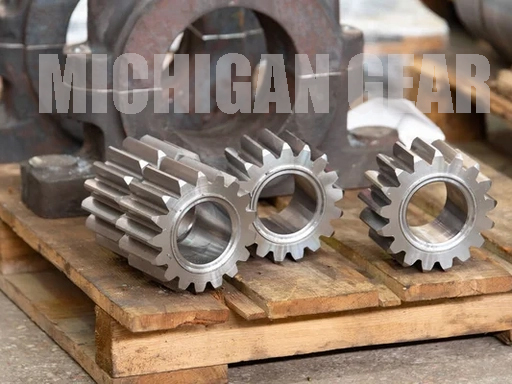
A helical gear creates a force that pushes the gear along its shaft. This force is called axial thrust. It acts parallel to the shaft and can cause the gear to move out of place if not managed properly. Designers must use special bearings and strong housings to handle this force. If ignored, axial thrust can lead to overheating of bearings or misalignment of gears.
| Force Component | Primary Function/Effect |
|---|---|
| Axial (Thrust) | Pushes the gear along its shaft axis |
| Design Consideration | Thrust bearing selection, housing strength |
| Potential Failure Mode | Bearing overheating, gear misalignment |
Proper management of axial thrust is crucial. Choosing the right thrust bearings helps prevent misalignment and excessive wear. Optimizing gear configurations can also reduce the axial thrust in the system.
Special Bearing Requirement
Helical gears need special bearings to handle both radial and axial loads. The angled teeth create forces in two directions, so standard bearings are not enough. Tapered roller bearings are often used because they support both types of loads. Sometimes, these bearings are arranged in pairs to counteract thrust from both directions, which improves stability.
| Bearing Type | Description |
|---|---|
| Tapered Roller Bearings | Capable of supporting both radial and axial loads due to the angled teeth of helical gears. |
| Arrangement in Pairs | Configured to counteract thrust in both directions, enhancing stability and load distribution. |
Helical gear systems impose extra demands on bearings. Engineers must select bearings that can handle combined loads to ensure reliable operation. This requirement increases the complexity of the gear system.
Heat Generation
Helical gears produce more heat than spur gears. The sliding action between the angled teeth causes friction, which leads to higher temperatures. If the heat is not managed, it can damage the gear surfaces and reduce the lifespan of the system. Cooling and lubrication become important to keep the gear running smoothly.
●Increased friction from sliding contact raises operating temperatures.
●Excess heat can cause gear surface damage and reduce efficiency.
●Proper cooling and lubrication help control heat and protect the gear.
Lower Efficiency Without Lubrication
Helical gear systems rely on good lubrication to maintain efficiency. Without proper lubrication, friction increases and the gear surfaces can suffer damage like pitting. This reduces efficiency and may cause gearbox failure. Keeping the gears well-lubricated is critical to minimize friction-related losses and preserve performance.
Lubrication is essential for helical gear efficiency. Lack of lubrication leads to increased wear and lower performance.
Higher Cost And Complexity
Manufacturing helical gears is more complex than making spur gears. The inclined tooth surfaces require specialized tools and high-precision equipment. Helical gears often cost 30-40% more to produce. The manufacturing cycle is longer and involves more steps. Engineers must also consider thrust bearing requirements, system design complexity, and maintenance needs.
| Factor | Description |
|---|---|
| Thrust Bearing Requirements | Additional thrust bearings are needed to manage axial forces, increasing complexity and cost. |
| Bearing Load Increase | Axial forces add to the total bearing load, potentially requiring larger or more robust bearings. |
| System Design Complexity | Additional considerations for thrust force management complicate system design. |
| Maintenance Requirements | Thrust bearings require specific maintenance attention and monitoring. |
| Specialized Tooling | Helical cutting tools and angle-capable machinery are more expensive than straight-cutting equipment. |
| Complex Manufacturing Processes | Helical hobbing and grinding require more sophisticated equipment and skilled operators. |
| Extended Production Times | More complex geometry typically requires longer machining times. |
| Quality Control Complexity | Additional measurements and inspections are required for helix angle accuracy. |
| Helix Angle Optimization | Selection of optimal helix angle requires balancing multiple performance factors. |
| Alignment Sensitivity | Helical gears are more sensitive to misalignment than spur gears, affecting performance. |
●Helical gears require specialized machinery and skilled workers.
●The production process is intricate and takes more time.
●These factors drive up the cost and complexity compared to standard gears.
Helical gears offer smooth operation, high load capacity, and versatility, but they require special bearings and careful maintenance. To choose the right gear, consider your application’s speed, load, space, and noise needs:
| Consideration | Description |
|---|---|
| Application Needs | Speed, torque, and load requirements |
| Efficiency | Energy use and performance |
| Noise Control | Vibration and sound levels |
FAQ
What is the main difference between helical and spur gears?
Helical gears have angled teeth. Spur gears have straight teeth. Helical gears run quieter and handle more load.
Do helical gears need special lubrication?
Yes. Helical gears need high-quality lubrication. This reduces friction and heat. Proper lubrication helps prevent gear damage.
Where are helical gears most commonly used?
| Application | Example |
|---|---|
| Automotive | Transmissions |
| Industrial Machines | Conveyors, Mixers |
| Power Tools | Drills, Grinders |
Helical gears work well in these machines.
Post time: Mar-23-2026