


Helical gear motors use angled teeth to transfer power smoothly and efficiently. These motors drive machines in factories and processing plants. WEG leads the industry with reliable products, including the WG20 series.
- The global market for helical geared motors reached USD 5.2 billion in 2023.
- Industry demand continues to grow at a rate of 6.8% each year.
- Manufacturing, processing, and material handling are the main sectors using this technology.
Helical Gear Motor Basics
What Is a Helical Gear Motor
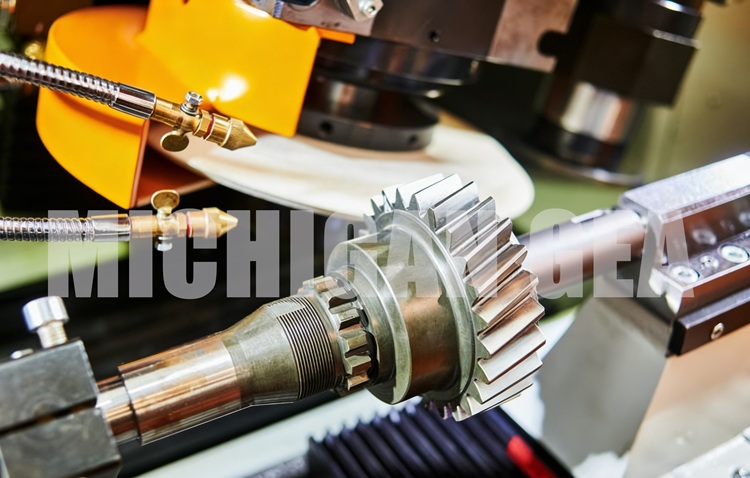
A helical gear motor combines an electric motor with a gearbox that uses helical gears. These motors are designed to deliver high torque and smooth power transmission. The main structural components include a strong housing, precision gears, and various input and output configurations. The table below shows the typical parts found in a helical gear motor:
| Component | Description |
|---|---|
| Housing | Cast Iron |
| Gears | Helical-worm Gears |
| Input Configurations | Electric Motors, Solid Shaft Input, IEC-normalized Motor Flange |
| Applicable Motors | Single Phase AC Motor, Three Phase AC Motor, Brake Motors, Inverter Motors, Multi-speed Motors, Explosion-proof Motor, Roller Motor |
| Output Configurations | Solid Shaft Output, Hollow Shaft Output |
These motors are built for durability and flexibility. Engineers select the right input and output options based on the needs of each application.
How Helical Gears Work
Helical gears use angled teeth that mesh gradually. This design allows the gears to transmit power smoothly and reduce speed efficiently. The gradual engagement of the teeth increases the contact area, which improves efficiency and reduces noise. Helical gears excel in handling higher loads and speeds compared to spur gears. The smoother operation and reduced vibration make them ideal for machines that require quiet performance.
Tip: Helical gears achieve power transmission efficiency between 94% and 98%. This high efficiency helps extend the lifespan of the gears and supports demanding industrial tasks.
The angled teeth also minimize abrupt impacts, which lowers vibration and noise. This feature is especially important in environments where quiet operation is needed, such as medical equipment and precision machinery.
Main Industrial Applications
Helical gear motors are used in many industries. Their ability to handle high loads and operate quietly makes them valuable in manufacturing and heavy machinery. The table below highlights common industries and typical applications:
| Industry | Typical Applications |
|---|---|
| Automotive | Vehicle transmissions, manual and automatic gearboxes |
| Manufacturing machinery | Milling machines, lathes for precise movement |
| Power generation | Turbines and generators in gearboxes |
| Material handling systems | Conveyors and elevators for material movement |
| Heavy machinery | Excavators, cranes, bulldozers for mechanical systems |
Other industries that rely on helical gear motors include printing, earth-moving, fertilizer, port, steel, textile, food, and plastics. These motors are also found in elevators, compressors, blowers, cutters, and oil processing equipment.
- Proper duty rating selection is vital for effective torque transfer during prolonged operation.
- High-cycling or irregular loads demand stronger mechanical margins and robust service factors.
Helical gear motors support continuous and intermittent operation. Engineers must consider the duty cycle and load requirements to ensure reliable performance. Their versatility and efficiency make them a top choice for many industrial applications.
WEG Helical Gear Motors Overview
Torque Range and Design Options
WEG offers a wide selection of helical gear motors in the WG20 series. These motors cover many industrial needs. The WG20 series provides a torque range that suits both light and heavy-duty applications.
- The torque range starts at 130 Nm.
- The maximum torque reaches 1,600 Nm.
This range allows engineers to choose the right motor for each task. WEG designs these motors with several mounting options. Users can select foot-mounted, flange-mounted, or shaft-mounted models. Each design fits specific installation requirements. The WG20 series also includes different gear ratios. This feature helps match the speed and torque to the demands of the machinery.
Reliability and Efficiency
WEG builds its helical gear motors for long-lasting performance. The motors use high-quality materials that resist wear and tear. Precision engineering ensures smooth operation and reduces maintenance needs.
Note: WEG motors operate with high efficiency, which lowers energy costs and supports sustainable practices.
The motors run quietly and handle heavy loads without overheating. WEG tests each product to meet strict industry standards. The WG20 series delivers consistent power and reliable service in factories, processing plants, and material handling systems.
A table below shows key features of WEG helical gear motors:
| Feature | Benefit |
|---|---|
| High torque range | Handles various loads |
| Multiple designs | Fits many installations |
| Efficient running | Saves energy |
| Durable build | Reduces downtime |
WEG helical gear motors help improve productivity and support safe operation in many industries.
Using WEG Helical Gear Motors
Model Selection Guide
Choosing the right WEG helical gear motor model is important for reliable performance. Engineers must match the motor to the needs of the application. Several factors influence the selection process:
- Technical Requirements: Define the output torque, speed, power, and mounting dimensions. These values help determine which motor fits the job.
- Ambient Conditions: Assess the installation space and environmental factors. Consider certifications needed for the location.
- Efficiency Requirements: Select models that offer high energy efficiency. This reduces operating costs and lowers CO2 emissions.
The torque requirement plays a key role in the selection. If the gear does not match the needed output torque, energy expenses may rise and efficiency can drop. Accurate torque calculations ensure the gear unit delivers the right power and reliability.
Tip: Always check the technical specifications before making a purchase. Proper selection prevents future problems and supports smooth operation.
Installation Steps
Installing a WEG helical gear motor requires careful attention to detail. Follow these steps for best results:
- Prepare the Mounting Surface
Clean and inspect the area where the motor will be installed. Make sure it is level and free from debris. - Align the Motor and Gearbox
Position the motor and gearbox so the shafts line up correctly. Misalignment can cause vibration and reduce lifespan. - Secure the Motor
Use the correct bolts and mounting hardware. Tighten each bolt to the recommended torque. - Connect Electrical Wiring
Attach the wires according to the manufacturer’s instructions. Check for proper voltage and grounding. - Check Lubrication
Ensure the gearbox has the right amount of lubricant. Lubrication reduces friction and wear. - Test the System
Run the motor briefly to check for unusual noises or vibrations. Make adjustments if needed.
Note: Proper installation helps prevent mechanical issues and supports safe operation.
Operation and Maintenance
Operating and maintaining WEG helical gear motors keeps them running smoothly. Follow these basic instructions:
- Define technical requirements clearly before starting the motor.
- Check output torque, speed, and power needs.
- Inspect the application space to confirm the gear unit fits.
Routine maintenance extends the life of the motor. Key tasks include:
- Regular lubrication to reduce friction and wear.
- Frequent monitoring of bearings and shafts to prevent early damage.
- Temperature checks to avoid overheating.
- Cleaning the housing to maintain performance.
- Setting up a preventive maintenance schedule.
| Maintenance Task | Purpose |
|---|---|
| Lubrication | Prevents wear |
| Bearing Monitoring | Detects early issues |
| Temperature Checks | Avoids overheating |
| Housing Cleaning | Keeps performance steady |
| Preventive Schedule | Reduces downtime |
Alert: Neglecting maintenance can lead to costly repairs and unexpected downtime.
WEG helical gear motors deliver reliable service when installed and maintained properly. Regular checks and careful operation help maximize efficiency and extend the lifespan of the equipment.
Helical gear motors offer high efficiency, smooth operation, and strong load handling. WEG stands out with scalable designs and low environmental impact.
| Feature | WEG Helical Gear Motors | Competitors |
|---|---|---|
| Efficiency | High-efficiency | Energy efficiency |
| Reliability | Fast-growing | Established leaders |
WEG provides manuals, CAD drawings, and selection tools for easy support.
Post time: Mar-02-2026