


Helical gear wonders you never knew about materials
Brief Description :
Did you know some helical gear materials are plastics that actually lubricate themselves? Material choice changes everything. Imagine gears that run smoother and last longer, just because their material is smarter. Have you ever wondered if metal is always the best? Get ready for some surprises!
Helical gear material science
Essential properties for helical gears
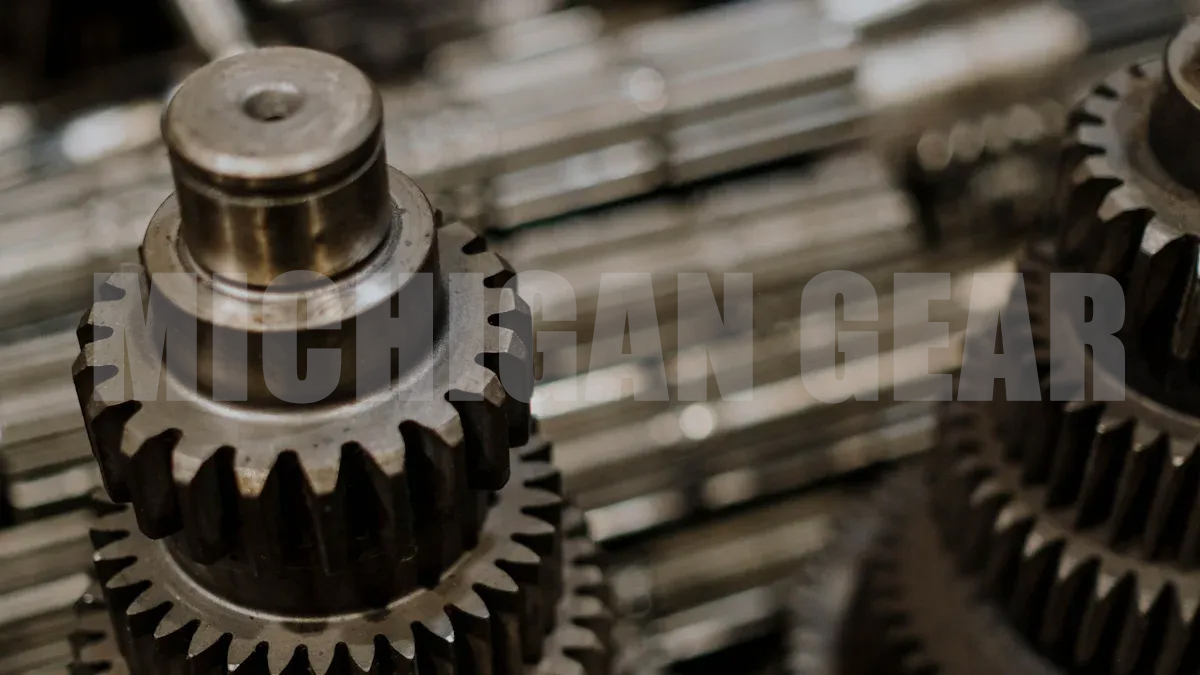
When you look at a helical gear, you might just see a simple machine part. But the science behind its material is anything but simple. Engineers pick materials for helical gears based on a set of must-have properties. These properties help the gear handle heavy loads, last longer, and run smoothly.
Here’s a quick look at the most important mechanical properties for helical gear materials:
| Mechanical Property | Importance |
|---|---|
| Tensile Strength | Determines the gear’s load-carrying capacity and ability to withstand applied loads. |
| Hardness | Affects wear resistance and contact stress distribution on gear teeth. |
| Wear Resistance | Critical for maintaining tooth profiles and preventing surface damage during operation. |
| Fatigue Resistance | Essential for durability under repetitive loading cycles to prevent fatigue failure. |
| Ductility and Toughness | Helps absorb impact loads, reducing the risk of sudden failure. |
| Corrosion Resistance | Necessary for gears in harsh environments to maintain integrity and prevent failure. |
| Temperature Resistance | Important for maintaining properties under high-temperature applications. |
Each property plays a role in how well a helical gear performs. For example, high tensile strength lets the gear handle more force without breaking. Hardness and wear resistance keep the teeth from wearing down too quickly. Fatigue resistance is key for gears that run for long hours, like those in car transmissions.
Tip: The right material can mean the difference between a gear that lasts for years and one that fails after a few months.
Why material choice matters
You might wonder why engineers spend so much time picking the perfect material for a helical gear. The answer is simple: the material affects everything from how much noise the gear makes to how much power it can handle.
Let’s compare helical gears to spur gears:
| Gear Type | Load Capacity | Noise Level | Material Suitability |
|---|---|---|---|
| Helical | Higher | Lower | Steel, Plastics, Bronze |
| Spur | Lower | Higher | Steel, Plastics |
Helical gears have angled teeth. This design spreads the load over several teeth at once. The result? Smoother engagement, less noise, and the ability to handle higher torque. The material must be tough enough to handle these forces and resist wear over time.
- Helical gears distribute stress across multiple teeth, which means smoother power transmission.
- The angled teeth also help reduce noise, especially at higher speeds.
- Material selection balances properties like hardness, toughness, and wear resistance for the best performance.
In real-world applications, like automotive transmissions, the material choice becomes even more important. These gears face high loads and must handle axial thrust—the force that tries to push the gear along its axis. Alloy steels are often used here because they offer great fatigue resistance and durability, especially after heat treatment.
Manufacturers test new materials by running gears under real conditions. They check for things like pitting, bending fatigue, and surface damage. If a material passes these tests, it’s ready for action.
Environmental factors matter, too. For example, plastic gears can change their properties with temperature. High heat can make them weaker, so engineers must consider where and how the gear will be used.
In short, the right material makes a helical gear stronger, quieter, and longer-lasting. It’s not just about picking metal or plastic—it’s about finding the perfect match for the job.
Surprising material choices and innovations
Advanced and unconventional materials
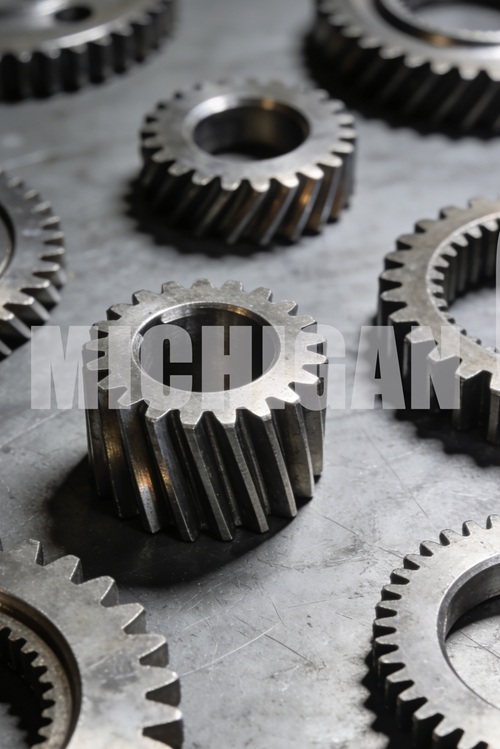
When you think about gears, steel probably comes to mind first. But the world of helical gear materials is much bigger than that. Engineers now use a mix of advanced and unconventional materials to meet different needs. Here are some of the most common choices:
- Alloy Steels: These offer high strength and toughness. They work well in heavy-duty applications.
- Composite Materials: These are lightweight and resist wear. They also help reduce friction.
- Plastics: Materials like Delrin and Nylon are popular for low-load, low-noise jobs.
- Specialty Alloys: These alloys provide smooth operation and reduced friction, especially in high-performance settings.
Manufacturers also experiment with bronze, cast iron, and even powder metal alloys. Each material brings something unique to the table.
Note: The right material can make a helical gear quieter, lighter, or even more eco-friendly.
Material impact on gear performance
Material choice affects almost every aspect of gear performance. Let’s look at how different materials stack up:
| Material Type | Advantages | Disadvantages |
|---|---|---|
| Plastics | Affordable, Lightweight, Silent operation | Lower load capacity, Poor heat resistance |
| Composites | Enhanced performance in low to medium loads | Poor performance under high-load/high-temp |
| Specialty Alloys | High load-bearing, Smooth, Reduced friction | More expensive |
Noise, efficiency, and strength also depend on the material:
| Material Category | Common Examples | Primary Use Case |
|---|---|---|
| Case-Hardened Steel | 8620, 9310 | High-load, high-impact |
| Through-Hardened Steel | 4140, 4340 | Moderate, consistent load |
| Plastics | Delrin, Nylon | Low-load, low-noise |
Real-world studies show that hardened alloy steel is a top pick for gearboxes. It handles high stress, reduces maintenance, and lasts longer. Cast iron and bronze work well for certain loads and speeds, but steel often wins for durability.
Tip: The fatigue life of a helical gear depends on its material. Better materials mean longer-lasting gears and fewer repairs.
Self-lubricating materials are changing the game. These gears need less maintenance and offer superior wear resistance. They also cut down on downtime and mess from traditional lubricants.
-

China Supplier Customized Extended-length Gear ...
-

High Torque Planetary Gears for Efficient AGV S...
-

Unlock Performance: Top Planetary Gears for Hum...
-

Explosion-Proof & Corrosion-Resistant Cycl...
-
Planetary Gearbox: The Ultimate Solution for Hi...
-

China suppliers precision miniature double stag...