


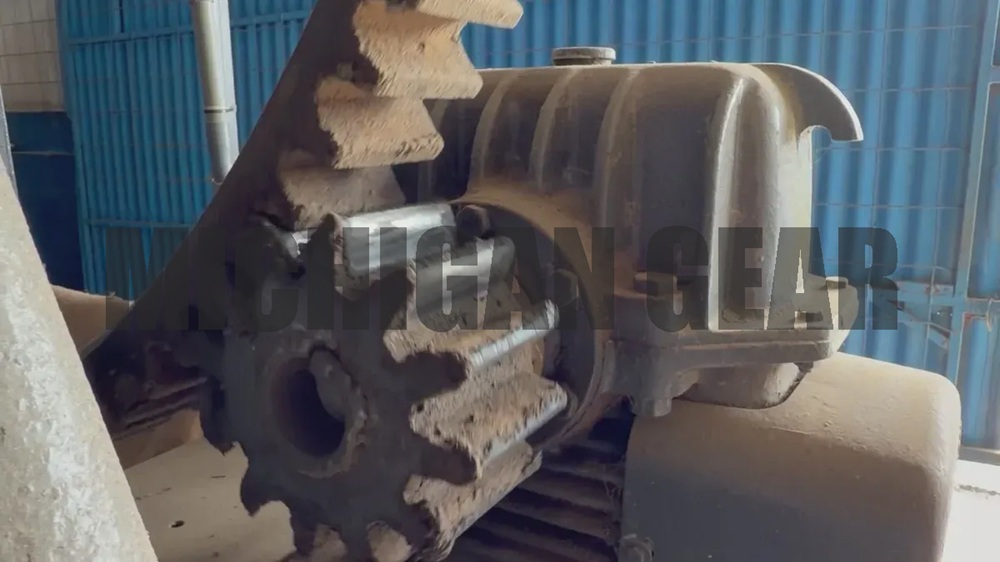
When I look at how machines transfer power between intersecting shafts, I see the bevel gear as a key player. Its conical shape lets me change the axis of rotation and fit gears into tight spaces.
| Advantage | Bevel Gears | Spur/Helical Gears |
|---|---|---|
| Angular Power Transfer | Yes (intersecting) | No (parallel only) |
| Compactness | High | Moderate |
| Noise Levels | Low (spiral types) | Moderate-High |
Key Takeaways
●Bevel gears change the direction of power between intersecting shafts, making them essential for compact machine designs.
●Choose between straight and spiral bevel gears based on your needs: straight for rugged tasks and spiral for smooth, quiet operation.
●Proper alignment and lubrication of bevel gears ensure efficient power transfer and reduce wear, enhancing machine performance.
Bevel Gear Basics
Structure and Definition
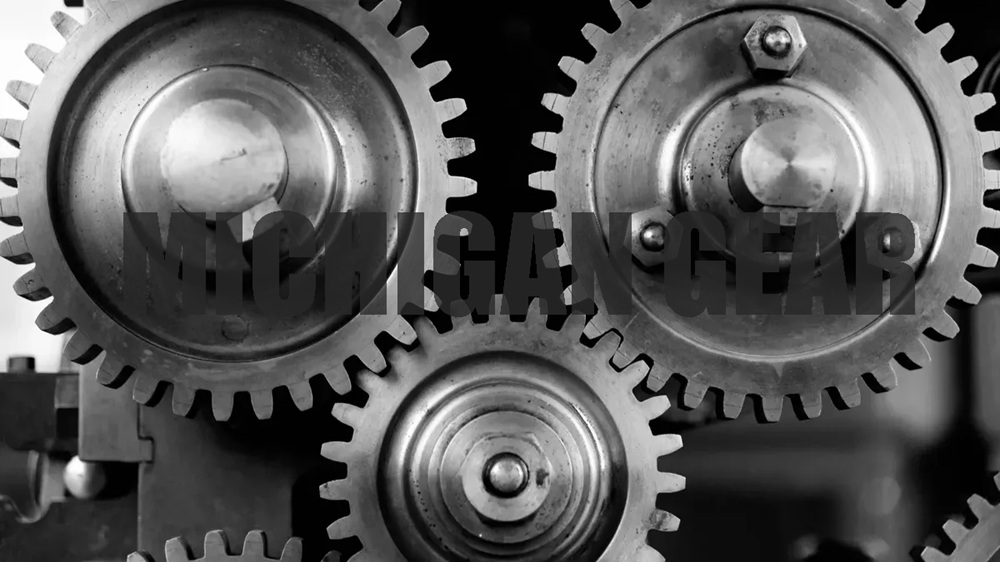
When I examine a bevel gear, I notice its unique conical shape. This shape stands out from other gears, which usually have flat or cylindrical profiles. The teeth of a bevel gear are arranged along the surface of a cone, not a cylinder. This design allows the gear to mesh with another gear at an angle, often at 90 degrees. I find that the point where the gear teeth meet is called the apex, and it is where the axes of the two gears intersect.
Tip: The conical shape and tooth arrangement make bevel gears perfect for changing the direction of power in machines.
Here’s a quick look at what sets bevel gears apart:
| Feature | Description |
|---|---|
| Conical Shape | Allows for effective power transmission between intersecting shafts. |
| Tooth Arrangement | Teeth are cut on the cone’s surface, enabling smooth engagement. |
| Axis Intersection | Shafts usually meet at right angles, but other angles are possible. |
Shaft Orientation and Power Transmission
I often see bevel gears used when machines need to transfer power between shafts that are not parallel. The most common angle is 90 degrees, but I have also seen 60 and 120 degrees in some designs. The geometry of the bevel gear lets it transmit rotational motion efficiently, even when space is tight.
Proper alignment of the shafts is crucial. If the gears are not lined up correctly, I notice problems like extra friction, noise, and even damage to the gear teeth. When everything is set up right, bevel gears provide smooth and efficient power transfer. They can also adjust torque and speed, which gives machines a mechanical advantage in many situations.
Bevel Gear Operation
Motion and Force Direction
When I watch a bevel gear in action, I see how it changes the direction of motion and force inside a machine. The teeth of the gear are cut at an angle along a cone, not a flat surface. This unique shape lets the gears mesh together at a point called the apex, where the shafts usually meet at a right angle.
Here’s how the process works:
●The angled teeth of the bevel gear mesh smoothly with another gear’s teeth.
●When I turn one shaft, the gear pushes against the teeth of its partner, causing it to spin in a different direction.
●The conical design keeps the gears aligned and ensures smooth contact.
●This setup allows the machine to transfer power efficiently, even when the shafts cross at different angles.
Note: The ability to change the axis of rotation makes bevel gears essential for machines that need to redirect power, such as in automotive differentials or industrial drives.
I notice that this design not only changes the direction of rotation but also helps manage torque and speed. The gears can handle high loads with minimal energy loss, especially when I keep them well-lubricated and properly aligned.
Types: Straight and Spiral
I often choose between two main types of bevel gears: straight and spiral. Each type has its own strengths and is best suited for certain jobs.
| Feature | Straight Bevel Gears | Spiral Bevel Gears |
|---|---|---|
| Tooth Engagement | Line contact across the entire face width | Point contact that progresses along the tooth |
| Load Capacity | Lower load-carrying capacity | Higher load-carrying capacity due to gradual engagement |
| Noise and Vibration | Generates more noise and vibration | Smoother and quieter operation |
| Manufacturing Complexity | Simpler to manufacture | More complex due to spiral angle |
| Contact Ratio | Lower contact ratio | Higher contact ratio, ensuring smoother load transfer |
When I use straight bevel gears, I see that they have straight teeth and make contact along a line. This design is simple and cost-effective. I often find straight bevel gears in agricultural machinery, trucks, and construction equipment. These gears work well in rugged environments and are easy to maintain.
Spiral bevel gears, on the other hand, have curved teeth. The contact between the teeth starts at a point and moves along the tooth as the gears turn. This gradual engagement makes the operation much smoother and quieter. I prefer spiral bevel gears for high-speed or high-load applications, such as in automotive differentials or industrial gearboxes, because they can handle more stress and reduce noise.
| Machinery Type | Reason for Using Straight Bevel Gears |
|---|---|
| Agricultural Machinery | Cost-effective, robust, handles moderate torque and speed. |
| Trucks | Simpler design and ease of manufacturing. |
| Construction Equipment | Dependable for rugged environments and simplified maintenance. |
| PTO Drives and Gearboxes | Commonly used for agricultural equipment, providing robust performance. |
| Transfer Cases and Auxiliary Drives | Cost-effective performance and easier field setup for maintenance. |
| Winches and Slewing Mechanisms | Operate at moderate speeds under substantial load, easy on-site adjustment. |
I always consider the needs of the machine before choosing a bevel gear type. Straight bevel gears are great for simple, tough jobs, while spiral bevel gears shine in situations where smoothness and quiet operation matter most.
Bevel Gear Uses & Benefits
Common Applications
When I look at machines in different industries, I see bevel gears used in many important places. I often find them in:
●Differentials that transfer power from the driveshaft to the wheels in cars and trucks
●Rear axle drives that move power from the engine to the rear wheels
●Power transfer units in all-wheel drive vehicles
●Gearboxes and transmissions in construction and mining equipment
●Conveyor systems and material handling machines
●Printing and packaging machinery
●Locomotives and marine engines
●Cooling towers and power plants
●Steel plants and railway inspection machines
I notice that bevel gears help vehicles turn smoothly by letting wheels rotate at different speeds. This feature is crucial for safe and efficient driving, especially on curves.
Advantages and Limitations
I choose bevel gears for many machines because they offer several key benefits. Here is a table that shows their main advantages:
| Advantage | Description |
|---|---|
| Efficient Power Transmission at Angles | They redirect power between intersecting shafts with little energy loss. |
| High Load Capacity | They handle high torque and heavy loads, perfect for industrial gearboxes. |
| Compact Design | Their shape fits into tight spaces where other gears cannot. |
| Smooth and Quiet Operation | Gradual tooth engagement reduces noise and vibration. |
| Durability | Hardened materials help them last in harsh environments. |
I also see that bevel gears can increase torque in a system. When the driven gear has more teeth than the driver, the output torque rises. This mechanical advantage makes them ideal for machines that need extra force.
However, I must consider some drawbacks:
| Limitation Description |
|---|
| Limited transmission ratio range, usually up to 6:1 |
| High production costs due to specialized tools and accuracy |
| Need for matched pairs, raising manufacturing and maintenance costs |
| High installation accuracy required, making setup harder |
| More lubrication needed compared to spur gears |
Note: I always weigh these pros and cons before choosing a bevel gear for any application.
When I work with machines, I see how a bevel gear changes power direction and boosts torque. I use them for their smooth, quiet motion and compact size.
●They transfer power efficiently between intersecting shafts.
●They handle high loads and allow for flexible designs.
| Future Trend | Description |
|---|---|
| Advanced Materials | Lightweight alloys improve performance and efficiency. |
| Precision Engineering | CNC machines create gears with tighter tolerances. |
I rely on bevel gears for reliable, efficient power in modern machines.
FAQ
What is the main purpose of a bevel gear?
I use bevel gears to change the direction of power between shafts that meet at an angle. This helps machines work in tight spaces.
How do I choose between straight and spiral bevel gears?
I look at the machine’s speed and noise needs. For quiet, smooth motion, I pick spiral. For simple, tough jobs, I choose straight.
Can bevel gears increase torque?
Yes! When I use a larger driven gear, I see an increase in torque. This gives machines more force for heavy tasks.
Post time: Jun-16-2026