


I often choose a bevel gear when I need to transfer power between shafts that meet at an angle, usually a right angle. The table below shows why I value these gears in my designs:
| Advantage | Description |
|---|---|
| Spiral bevel gear | Curved teeth make them quieter and reduce wear. |
| Flexible positioning | Delivers power at any angle needed. |
| Minimal power loss | Precise manufacturing means almost no backlash. |
| Reduced noise | Smooth tooth engagement eliminates clacking under heavy loads. |
| Lower maintenance costs | Reliable operation with basic lubrication. |
●I rely on bevel gears for high torque in compact gearboxes.
●They keep speed steady under changing loads.
●I use them for precise motion control in tight spaces.
Key Takeaways
●Bevel gears efficiently transfer power between shafts at various angles, making them ideal for applications like automotive differentials and industrial machinery.
●Their conical shape reduces friction and noise, leading to smoother operation and lower maintenance costs, which enhances overall performance.
●Proper alignment and lubrication are crucial for maximizing the efficiency and lifespan of bevel gears, ensuring reliable operation in demanding environments.
Bevel Gear Functions
Power Transmission at Angles
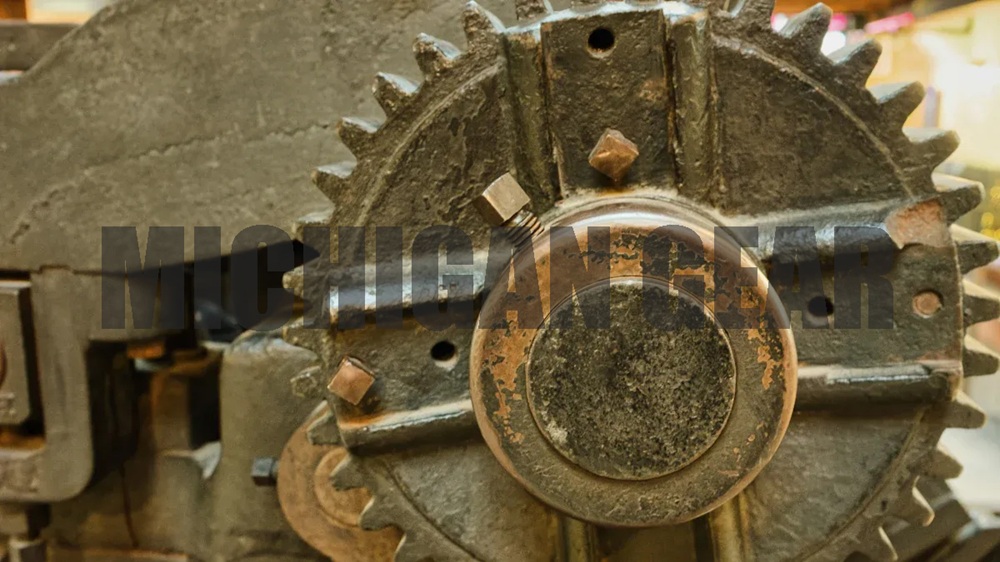
I often rely on a bevel gear when I need to transfer power between shafts that intersect. The conical shape of the gear allows the teeth to engage at converging angles. This feature makes it possible for me to transmit power efficiently, even when the shafts meet at a right angle or another specific angle. The teeth of straight bevel gears are cut in straight lines along the cone’s surface. This design creates a single point of contact, which can increase noise and impact forces at higher speeds.
I find that the interaction of tangential, radial, and axial forces is crucial during operation. The conical geometry of the bevel gear helps me achieve effective engagement and torque transmission. When the gears mesh, the teeth meet at the apex of their conical surfaces. This principle of angular transmission minimizes energy loss and improves efficiency. I use bevel gears in applications where I need to change the direction of power flow without sacrificing performance.
Tip: The conical shape of bevel gears makes them ideal for transmitting power between shafts at various angles, not just at 90 degrees.
Here is a table showing the typical angles at which bevel gears operate in industrial applications:
| Angle Type | Angle Range |
|---|---|
| Typical Operating | 30º to 150º |
| Standard Right Angle | 90º |
| Miter Gears | Right Angle |
Direction and Speed Change
I use bevel gears to change the direction and speed of rotation in mechanical systems. The unique design lets me engage the gears at an angle, usually 90 degrees. This feature allows me to efficiently transmit power between intersecting shafts. When I need to alter both the direction and speed of rotation, bevel gears provide a reliable solution.
Bevel gears face some mechanical limitations. The conical tooth geometry requires complex machining and specialized equipment. Straight bevel gears tend to produce higher noise levels because of sudden tooth contact. The design increases axial and radial loading, which can accelerate wear. I must use robust bearing systems and manage lubrication carefully. Hypoid gears, a type of bevel gear, create significant sliding friction and are less efficient due to energy loss as heat.
| Limitation | Engineering Meaning | Practical Impact |
|---|---|---|
| Limited ratio range | Standard bevel gears typically ≤6:1 | Multi-stage design may be needed |
| Complex machining | Conical tooth geometry needs special tools | Higher production cost |
| Matched pair manufacturing | Precision sets required | Increased replacement cost |
| Installation sensitivity | Misalignment affects contact | Strict assembly control needed |
| High lubrication demand | Sliding components need stable oil film | Lubrication management critical |
I always consider these factors when choosing a bevel gear for my designs. The ability to change direction and speed makes bevel gears valuable, but I must balance efficiency with maintenance and installation requirements.
Advantages of Bevel Gears
Efficient Torque Transfer
I often choose a bevel gear when I need to transfer high torque between intersecting shafts. The conical tooth geometry lets me handle complex force combinations that other gears cannot manage. This design gives me the ability to transmit power at various angles, which is essential in many mechanical systems.
●The conical shape allows for efficient torque transfer.
●Power transmission works well even when shafts meet at unusual angles.
●I can manage tangential, radial, and axial forces with ease.
When I work with heavy-duty machinery, I notice that bevel gears outperform traditional gear systems in torque delivery. I rely on their unique geometry to keep my machines running smoothly under stress.
Reduced Friction and High Efficiency
I always pay attention to friction and efficiency in my designs. Bevel gears stand out because their tooth geometry and surface finish reduce frictional losses. High-precision machining lets the teeth mesh smoothly, which lowers heat generation and wear. I use specialty gear oil or synthetic lubricants to minimize sliding friction and keep efficiency high over long periods.
Note: Proper alignment and installation are critical. Misaligned shafts can increase load on bearings and gear teeth, which reduces efficiency and causes premature failure.
Here is a table showing the typical efficiency percentages for bevel gears in industrial machinery:
| Type of Gear | Approximate Range of Efficiency |
|---|---|
| Straight Bevel Gear | 97 – 99.5% |
| Spiral Bevel Gear | 97 – 99.5% |
| Zerol Bevel Gear | 97 – 99.5% |
| Hypoid Bevel Gear | 90 – 98% |
I always check the lubrication system and use the right oil for the gear material and operating conditions. Regular lubrication helps minimize friction, wear, and heat buildup. This practice ensures optimum performance and longevity for my bevel gear systems.
Space-Saving Design
Space constraints often challenge my machinery layouts. I use bevel gears because their compact design fits well in tight spaces. The offset shaft configuration of hypoid bevel gears lets me position the driveline lower, which improves ground clearance and optimizes interior space in heavy-duty machines.
In many cases, I design right-angle layouts to manage space limitations. Bevel gears help me withstand extreme shock loads while maintaining efficiency. Their conical structure and angled teeth make them essential for right-angle gear drives. I can change the rotational axis and achieve smooth power transitions, which is critical in automotive axles and industrial machinery.
When I integrate bevel gears into space-constrained machinery, I assess torque range, speed level, and noise requirements. I ensure the lubrication system is reliable and the bearing support structure can handle axial force. Housing rigidity and alignment control are important, and I always provide maintenance accessibility.
Tip: Selecting the correct bevel gear type reduces engineering risk. The best solution addresses primary system constraints, such as packaging height, lubrication management, or bearing load—not just maximum load capacity.
I keep my maintenance routine simple but effective. I check the gearbox oil level before each start-up, inspect for gear wear, and replace lubricating oil as recommended. I train operators on the importance of gear maintenance and keep a record system to track activities. These steps help me prevent overheating and excessive wear, which can lead to premature failure.
Applications and Comparison
Common Uses in Machinery
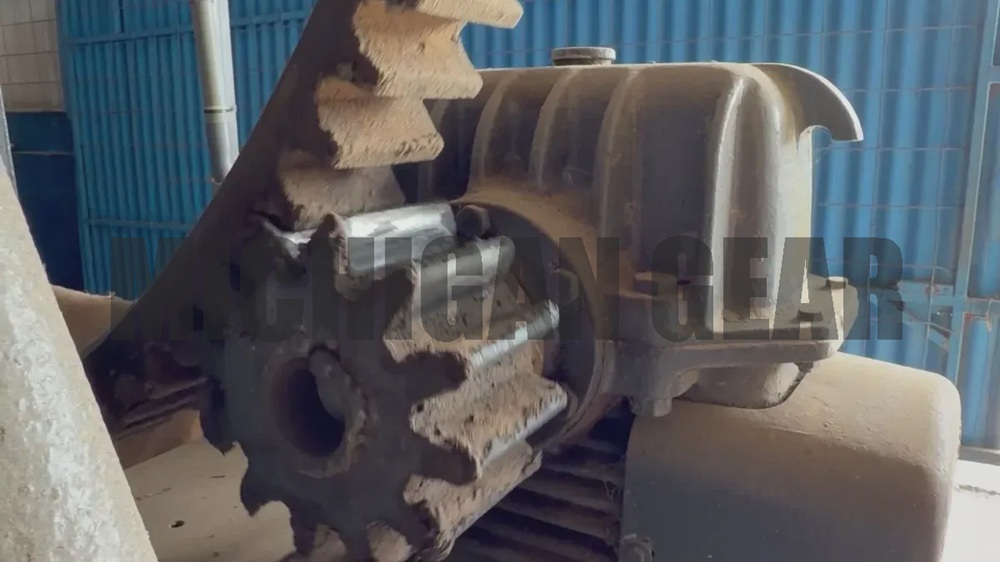
I see bevel gears in many machines that need to transfer power between intersecting shafts. I often use them in automotive systems, especially in differentials and rear axle drives. These gears help vehicles turn smoothly by allowing wheels to rotate at different speeds. I also find bevel gears in industrial machinery, such as gearboxes and conveyor systems. They handle heavy loads and keep machines running efficiently.
In aerospace, I rely on bevel gears for aircraft control and rotor systems. These gears help manage power in tight spaces and at precise angles. I use them in precision equipment like machine tools and scientific instruments, where accuracy and reliability matter most.
Here are some common applications where I use bevel gears:
●Automotive differentials and rear axles
●Industrial gearboxes and conveyor systems
●Aircraft control and rotor mechanisms
●Machine tools and scientific instruments
●Marine propulsion systems and locomotives
Tip: I choose bevel gears when I need to transmit power at an angle or handle high torque in a compact space.
Bevel Gear vs. Other Gears
When I compare bevel gears to spur and helical gears, I look at efficiency, noise, and application suitability. I use the table below to help decide which gear fits my needs best.
| Gear Type | Efficiency | Noise Level | Application Suitability |
|---|---|---|---|
| Helical Gears | 98-99.5% | Smooth, quiet | Parallel-shaft applications like conveyors and transmissions |
| Bevel Gears | 98-99% | Moderate noise | Right-angle drives and directional changes |
I prefer bevel gears for right-angle drives and when I need to change the direction of power. In locomotives, marine systems, and heavy equipment, bevel gears handle high torque and intersecting shafts better than other gears. I always match the gear type to the job for the best performance.
I choose bevel gears for efficient power at angles, high torque, and flexibility. Their design supports smooth operation in many machines. When I select gears, I consider these factors:
| Key Factor | Why It Matters |
|---|---|
| Gear Type | Matches load and application |
| Lubrication | Reduces wear and friction |
| Alignment | Ensures smooth performance |
Bevel gears help me solve complex engineering challenges.
FAQ
What maintenance do bevel gears need?
I check gear oil levels often. I inspect teeth for wear. I replace lubricants as recommended. Regular maintenance keeps my bevel gears running smoothly.
Can bevel gears handle heavy loads?
I use bevel gears in heavy-duty machines. Their strong design lets me transmit high torque. I trust them for reliable performance under tough conditions.
Why do I choose bevel gears over spur gears?
I pick bevel gears when I need to transfer power at an angle. Spur gears work best for parallel shafts. Bevel gears give me more flexibility.
Post time: Jun-25-2026