


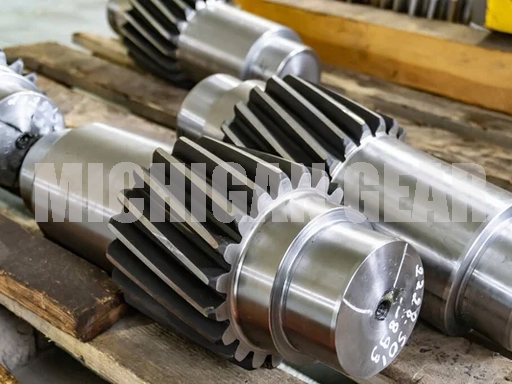
Helical gear generally delivers better performance for applications needing quieter operation and higher load capacity. Efficiency, noise, load, durability, cost, and application matter most. For example, helical gears reduce noise and handle heavy loads, while spur gears offer greater efficiency and lower cost. Practical recommendations follow in clear comparisons.
Key Takeaways
●Helical gears are ideal for high-speed and heavy-duty applications due to their smoother operation and ability to handle greater loads.
●Spur gears are more cost-effective and efficient for low-speed applications, making them suitable for simpler machines.
●Consider noise levels and maintenance needs when choosing gears; helical gears offer quieter operation, while spur gears require simpler upkeep.
Gear Types Overview
Spur Gear Basics
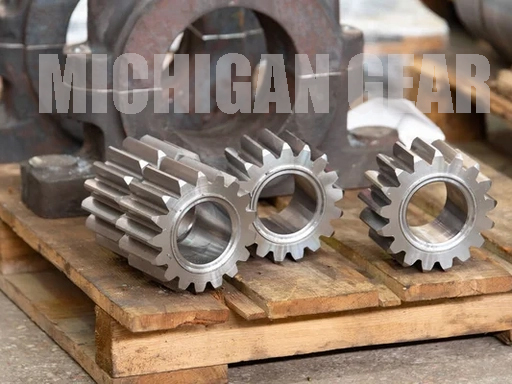
Spur gears have straight teeth that are parallel to the axis of rotation. This simple design makes them easy to manufacture and fit into tight spaces. Spur gears transfer power efficiently and maintain a steady speed. They rarely slip or break, which makes them reliable in many machines. The pressure angle and module affect their strength and noise level. Larger modules increase strength, while smaller ones help reduce noise.
Tip: Spur gears work best in low-speed applications where noise is not a major concern.
Helical Gear Basics
A helical gear has teeth cut at an angle to the axis of rotation. This angled design allows the teeth to engage gradually, which leads to smoother and quieter operation. More teeth are in contact at any time, so the load spreads out better. Helical gears can handle higher speeds and heavier loads than spur gears. They are common in gearboxes, automotive transmissions, and industrial equipment.
- Angled teeth reduce noise and vibration.
- Gradual engagement increases load capacity.
- Suitable for high-speed and heavy-duty uses.
Key Differences
| Feature | Spur Gears | Helical Gears |
|---|---|---|
| Tooth Orientation | Parallel to axis | Angled to axis |
| Load Distribution | Less contact area, higher stress | More teeth contact, better load distribution |
| Efficiency | Higher, no axial thrust | Slightly lower, produces axial thrust |
| Noise Level | Louder, especially at high speeds | Quieter, smoother operation |
| Application Suitability | Best for low-speed, simple applications | Ideal for high-speed, heavy-duty applications |
| Manufacturing | Simpler, less expensive | More complex, higher cost |
Spur gears offer simplicity and efficiency, while helical gears provide smoother motion and greater strength for demanding tasks.
Efficiency Comparison
Power Transmission
Power transmission measures how well a gear transfers energy from one shaft to another. Spur gears use straight teeth. This design allows them to transfer power with little sliding between teeth. As a result, spur gears often achieve high efficiency. In many cases, spur gears reach efficiency ratings of about 80%.
Helical gear uses angled teeth. These teeth engage more gradually, which helps spread the load and reduce noise. The angled teeth also create axial thrust forces. This means the gear pushes along its axis and needs extra support from thrust bearings. While this design improves smoothness, it can lower efficiency because of the added friction and bearing losses.
The table below shows typical efficiency ratings for both gear types under similar conditions:
| Gear Type | Efficiency Rating |
|---|---|
| Helical Gear | 85% |
| Spur Gear | 80% |
Helical gear can reach higher efficiency in some cases, especially when the helix angle is optimized. However, the need for thrust bearings and the sliding action of the teeth can reduce overall efficiency.
Energy Losses
Energy losses in gears come from friction and heat. Spur gears have less sliding friction because their teeth meet directly. This means less energy turns into heat, and more power goes to the output shaft. Spur gears often show meshing efficiency as high as 98-99% in ideal conditions.
Helical gear, on the other hand, has angled teeth that slide against each other during operation. This sliding action increases friction. The friction creates heat, which leads to energy loss. The helix angle affects both the smoothness of operation and the amount of energy lost. A larger angle makes the gear run smoother and quieter, but it also increases axial thrust and friction.
- Helical gears with higher helix angles provide smoother engagement and less noise.
- The angled teeth create axial thrust, which pushes the gear along its axis and requires extra support.
- The sliding action of helical gear teeth introduces more friction compared to spur gears, leading to greater energy loss.
Load and Strength
Load Capacity
Load capacity shows how much force a gear can handle before it fails. Spur gears usually carry less load because their straight teeth only touch one or two teeth at a time. This means the force focuses on a small area, which can cause faster wear. Helical gear stands out in this area. The angled teeth allow more teeth to touch at once. This spreads the force over a larger surface. As a result, these gears can handle 20-30% more torque than spur gears of the same size. This makes them a better choice for machines that need to move heavy loads or run at high speeds.
Tooth Durability
Tooth durability means how long the gear teeth last under stress. Several factors affect this. Helical gears have an advantage because their angled teeth create greater surface contact. This helps spread the load across multiple teeth. Less strain falls on each tooth, so the risk of damage drops. In contrast, spur gears often put most of the force on just one or two teeth. This can lead to quicker wear and possible tooth failure. When gears must run for long periods or handle sudden shocks, helical gears usually last longer.
Note: Choosing the right gear type can prevent costly breakdowns and extend the life of your equipment.
Speed and Smoothness
High-Speed Use
Gears often run at high speeds in many machines. Spur gears work well at lower speeds because their straight teeth mesh directly. This direct contact can cause sudden impacts between teeth when speed increases. These impacts may lead to more noise and vibration. At higher speeds, spur gears can wear out faster and may not run as smoothly.
Helical gears perform better in high-speed situations. Their angled teeth engage gradually. This gradual engagement reduces shock loads and allows the gear to run quietly. Machines that need to operate at high speeds, such as automotive transmissions or industrial drives, often use helical gears for this reason. The smoother action helps protect both the gear and the machine.
Motion Quality
Motion quality describes how smoothly a gear transmits power. Helical gears stand out in this area. Their teeth engage one after another, not all at once. This design reduces noise and vibration. In fact, noise levels can drop by 10 to 20 decibels compared to spur gears at similar speeds. The higher contact ratio means more teeth share the load, which also increases durability and service life.
- Smoother operation from gradual tooth engagement
- Lower noise and vibration, ideal for precision equipment
- Can handle about 50% higher loads than spur gears
For equipment that requires quiet, precise movement, helical gear offers a clear advantage.
Noise and Vibration
Noise Levels
Noise is a key factor when choosing between spur and helical gears. Spur gears have straight teeth that hit each other directly. This direct contact creates more noise, especially at higher speeds. Helical gears have angled teeth. These teeth slide into contact gradually, which makes them much quieter during operation.
The table below shows typical noise levels for different gear types:
| Gear Type | Noise Level (dBA) |
|---|---|
| High contact ratio helical gears | Up to 10 dB quieter than standard spur gears |
| Standard helical gears | 85-95 dBA |
| Non-involute spur gears | Often exceeding 95 dBA |
Helical gears can reduce operational noise by 10 to 20 decibels compared to spur gears. This difference is important in environments where noise control matters, such as offices or vehicles.
Vibration Control
Vibration affects both gear performance and machine lifespan. Helical gears control vibration better than spur gears. Their angled teeth engage gradually, which reduces sudden shocks and smooths out motion. This design allows multiple teeth to share the load at once.
- Helical gears engage gradually, reducing noise and vibration.
- They can lower operational noise by 10-15 dB at standard speeds and up to 20 dB at higher speeds.
- Smoother operation is critical in automotive and industrial applications.
Spur gears, with their straight teeth, create more vibration because the teeth engage all at once. This can lead to more wear and tear on the machine. Helical gears help machines run more quietly and last longer.
Durability and Maintenance
Gear Lifespan
Gear lifespan matters for anyone who wants reliable machines. Helical gears usually last longer than spur gears, especially in heavy-duty jobs. Their angled teeth spread the load across a larger area. This design reduces wear on each tooth. Machines with helical gears often run for more hours before needing replacement. Spur gears, with their straight teeth, focus the force on a smaller area. This can lead to faster wear and shorter service life. Choosing helical gears can mean fewer breakdowns and less downtime.
Tip: For equipment that runs under heavy loads or for long periods, helical gears offer better durability.
Maintenance Needs
Proper maintenance keeps gears working smoothly. Spur gears and helical gears have different needs. Spur gears require regular lubrication and simple checks for wear or cracks. Their maintenance is straightforward, but they can get noisy if not cared for. Helical gears need more attention because of their angled teeth and the extra forces they create. Special care for thrust bearings and careful alignment are important.
| Gear Type | Maintenance Focus | Additional Considerations |
|---|---|---|
| Spur Gears | - Regular lubrication to minimize wear - Visual inspection for wear patterns, cracks, or damage - Ensuring proper shaft alignment - Monitoring backlash and tooth clearance - Checking and maintaining supporting bearings |
- Simpler maintenance, but can produce more noise - Requires routine checks to prevent faster wear |
| Helical Gears | - Special attention to thrust bearings - Ensuring adequate lubrication for sliding contact areas - Watching for signs of uneven load distribution - Monitoring for changes in operating noise |
- More complex maintenance due to axial thrust - Critical alignment for proper tooth engagement - Noise analysis to detect potential issues |
Regular checks and proper lubrication extend the life of both gear types. Helical gears may need more skilled maintenance, but they reward users with longer service and smoother operation.
Cost Factors
Initial Cost
Spur gears usually cost less to make than helical gears. Their straight teeth allow for simple production methods like hobbing or shaping. Manufacturers can cut the entire tooth in one pass, which saves time and money. This straightforward process leads to lower prices for spur gears. Helical gears, on the other hand, have angled teeth. These require more complex machining and longer production times. The extra steps increase the cost of each gear. For projects with tight budgets, spur gears often provide a more affordable solution.
Long-Term Value
When choosing between spur and helical gears, it is important to look beyond the initial price. Maintenance and replacement costs can add up over time. The table below highlights key differences:
| Factor | Helical Gears | Spur Gears |
|---|---|---|
| Initial Cost | Generally higher manufacturing costs | Typically lower manufacturing costs |
| Maintenance Costs | More complex, requires special care | Simpler maintenance |
| Replacement Costs | More durable, potentially lower frequency | Less durable, higher replacement frequency |
- Helical gears may need more maintenance because of their thrust bearings.
- Spur gears are easier and cheaper to maintain.
- Helical gears last longer, so they may not need to be replaced as often.
When selecting gears, consider both the upfront cost and the long-term expenses. This approach helps ensure the best value for your equipment over its lifetime.
Helical Gear vs Spur Gear Table
Choosing the right gear depends on several important factors. The table below compares spur gears and helical gears across key performance areas. This side-by-side view helps you see which gear fits your needs best.
| Feature | Spur Gear | Helical Gear |
|---|---|---|
| Efficiency | 98-99% | 95-98% |
| Load Capacity | Moderate | Higher (20-30% more torque) |
| Noise Level | Higher | Lower (10-20 dB reduction) |
| Cost | Lower | Higher |
| Axial Thrust | None | Present |
| Tooth Engagement | Sudden, direct | Gradual, smoother |
| Maintenance | Simple, less frequent | More complex, needs skilled care |
| Best For | Low-speed, budget-friendly uses | High-speed, heavy-duty applications |
Tip: Use this table to match gear features with your project’s needs. For example, if you want quiet operation and high strength, a helical gear is often the better choice. If you need maximum efficiency and lower cost, spur gears may be more suitable.
This comparison makes it easier to decide which gear type will perform best in your machine. Always consider the specific requirements of your application before making a final choice.
Choosing the Right Gear
When to Use Helical Gear
Helical gear works best in situations where quiet operation and high strength are important. The angled teeth reduce noise and vibration, making these gears ideal for high-speed machines. Many industries use them in automotive transmissions, medical equipment, and precision robotics. These gears also perform well in heavy-duty applications that require long service life.
Research shows that helical gears can lower operational noise by 10-15 dB at normal speeds and up to 20 dB at higher speeds. This makes them valuable in places where noise control is important, such as hospitals or offices.
Common uses include:
- High-speed systems (above 3,600 RPM)
- Heavy machinery needing strong load capacity
- Automotive and aerospace equipment
- Medical devices and robotics with strict noise limits
The table below helps compare key criteria:
| Criteria | Helical Gears | Spur Gears |
|---|---|---|
| Speed Requirements | Better for high-speed operations | Less suitable for high-speed applications |
| Load Capacity | Higher load capacity | Lower load capacity |
| Cost Considerations | More expensive | More economical |
| Space Constraints | Require more axial space | Occupy less axial space |
When to Use Spur Gear
Spur gears are a smart choice for simple machines and cost-sensitive projects. Their straight teeth make them easy to produce and maintain. These gears work well in conveyor systems, pumps, compressors, and gearboxes. They are also common in washing machines and blenders.
Choose spur gears when:
- The machine runs at low or moderate speeds
- Maximum efficiency is needed
- Maintenance should be simple
- Axial forces must be avoided
- Budget is limited
Tip: Spur gears fit best in tight spaces and equipment where noise is not a major concern.
Common Misconceptions
Many people hold incorrect beliefs about spur gears and helical gears. These misunderstandings can lead to poor choices in gear selection or design. Here are some of the most common misconceptions:
- Module and Reference Diameter: Some believe that a gear’s module is the most important factor in defining it. In reality, the reference diameter is what truly matters for gear function. The module is just one way to describe gear size, but it is not essential for every application.
- Gear Compatibility: It is often thought that gears must have the same module or pressure angle to work together. In practice, gears only need to share the same normal base pitch to mesh correctly. This allows for more flexibility in gear design than many expect.
- Infinite Modules and Pressure Angles: Many assume there are strict limits on gear modules and pressure angles. In fact, gears can be designed with a wide range of these values, which sometimes causes confusion about what is required for proper operation.
Tip: Always check the normal base pitch when matching gears, not just the module or pressure angle.
Other misunderstandings relate to gear ratios and durability:
- The term "hunting tooth ratio" is often misunderstood. While it once played a big role in gear life, modern manufacturing has made this less critical.
- In the past, non-hunting tooth gear pairs wore out faster due to softer materials and less precise machining. Today’s gears are much more durable, even when using non-hunting tooth ratios. High-performance engines often use these ratios without problems.
Understanding these facts helps engineers and technicians make better decisions when choosing between spur and helical gears.
| Gear Type | Best For | Key Benefit |
|---|---|---|
| Helical | High-speed, heavy-load, quiet | Smoother, quieter, durable |
| Spur | Low-speed, budget, simple use | Efficient, cost-effective |
Choose gears based on speed, load, noise, and cost. Review your project’s needs for the best results.
FAQ
What is the main advantage of helical gears over spur gears?
Helical gears run more quietly and handle heavier loads. Their angled teeth help reduce noise and spread force across more teeth.
Tip: Use helical gears for machines that need smooth, quiet operation.
Are spur gears more efficient than helical gears?
Yes, spur gears usually have higher efficiency. Their straight teeth create less friction, so they waste less energy as heat.
Can I replace a spur gear with a helical gear in my machine?
Not always. Helical gears create axial thrust, which may require extra support. Check your machine’s design before switching gear types.
Post time: Apr-20-2026