


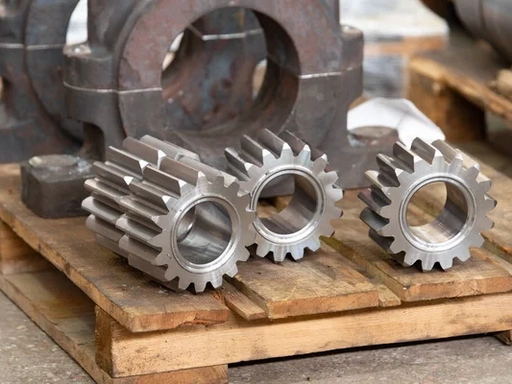
Gear Rack And Pinion steering dominates modern vehicle design. This system converts steering wheel rotation into precise wheel movement. Drivers experience direct road feedback and improved control. Power-assisted versions enhance ease of use. Most manufacturers prefer this technology because it offers reliable handling and requires little maintenance.
●Rack and pinion steering is the most popular technology on the road today.
●Electric power steering racks are common in modern vehicles.
●The system gives drivers better tactile feedback and stability.
Key Takeaways
●Gear Rack And Pinion steering offers precise control and direct feedback, enhancing driver confidence and safety.
●Power-assisted versions make steering easier, especially at low speeds, improving comfort during driving.
●The simple design of rack and pinion systems leads to lower maintenance costs and longer lifespans compared to other steering types.
Gear Rack And Pinion Benefits
Precision and Control
Gear Rack And Pinion steering systems deliver unmatched precision and control. The design converts the circular motion of the steering wheel into linear movement, which turns the vehicle’s wheels with accuracy. This direct connection gives drivers immediate feedback from the road, making it easier to judge how much to turn and how the car responds. Many drivers appreciate the tactile feel, especially when navigating tight corners or making quick maneuvers.
Note: Drivers often describe the steering as “connected” to the road, which increases confidence and safety.
The following table highlights how key features of Gear Rack And Pinion systems contribute to reliable vehicle handling:
| Feature | Contribution to Vehicle Handling |
|---|---|
| Direct and Responsive Steering | Provides immediate and precise control, enhancing vehicle maneuverability. |
| Compact Design | Saves space for easier installation in modern vehicles, contributing to overall design efficiency. |
| Improved Steering Feel | Enhances driver awareness of road conditions, improving stability and safety. |
| Power Steering Integration | Reduces steering effort, enhancing driver comfort and control, especially at low speeds. |
| Enhanced Safety Features | Integrates with systems that improve stability and assist in emergency maneuvers. |
| Durability and Reliability | Ensures long-term performance with minimal maintenance, contributing to consistent vehicle handling. |
Simple and Reliable Design
The simplicity of Gear Rack And Pinion systems sets them apart from older steering mechanisms. These systems use fewer moving parts, which reduces the chance of mechanical failure. This straightforward design makes them reliable for daily driving and long-term use. Compared to traditional steering gearboxes, Gear Rack And Pinion systems improve handling and responsiveness. Their compact size also allows for easier installation in a wide range of vehicles, from small cars to larger trucks.
Common maintenance issues are rare, but when they do occur, they are usually easy to identify and fix. Here are some typical problems:
●Leakage of power steering fluid due to worn seals.
●Binding or sticking of the rack from contamination.
●Excessive play caused by worn tie rod ends or bushings.
●Noise indicating worn components or misalignment.
Most drivers find that maintenance costs for these systems remain reasonable. For example:
| Steering Type | Typical Cost Range |
|---|---|
| Rack and Pinion Replacement | $700–$2,100 |
| Power Steering Pump Replacement | $300–$800 |
| Power Steering Hose Repair | $150–$400 |
| Fluid Flush | $80–$150 |
The average lifespan of a Gear Rack And Pinion system ranges from 100,000 to 150,000 miles, which is longer than many alternative steering types.
Power-Assisted Steering
Modern vehicles often use power-assisted Gear Rack And Pinion systems. These can be hydraulic or electric. Hydraulic power steering uses an engine-driven pump, while electric power steering relies on motors and sensors. Both types make steering easier, especially at low speeds or when parking.
| Feature | Hydraulic Power Steering | Electric Power Steering |
|---|---|---|
| Power Source | Engine-driven hydraulic pump | Electric motors and sensors |
| Weight | Heavier due to additional components | Lighter, fewer components |
| Fuel Efficiency | Less efficient due to engine load | More efficient, only uses power when needed |
| Maintenance | More complex, requires fluid replacement | Simpler, generally more reliable |
| Driver Assistance Features | Limited integration with modern features | Supports advanced driver-assist features |
| Steering Feel | Provides good feedback from the road | May lack the same level of feedback for some drivers |
Electric power steering systems are becoming more popular because they are easier to maintain and improve fuel efficiency. They only use energy when the steering wheel turns, which saves fuel. These systems also support advanced driver-assist features, making them ideal for modern vehicles.
●Electric power steering systems do not require fluid, reducing maintenance needs.
●They enable features like lane-keeping assist and automatic parking.
●Hydraulic systems still offer better road feel, which some performance drivers prefer.
Manual Gear Rack And Pinion systems, found in some sports cars, give the most direct feedback but require more effort, especially at low speeds. Most drivers today prefer the comfort and convenience of power-assisted steering.
Comparison with Other Steering Systems
Rack And Pinion vs Recirculating Ball
Gear Rack And Pinion steering systems have become the standard in most passenger vehicles. Recirculating ball steering, once common in older cars and trucks, uses a worm gear and ball bearings to move the wheels. The main differences between these systems can be seen in their design, weight, and steering feel.
| Feature | Rack and Pinion | Recirculating Ball |
|---|---|---|
| Complexity | Simpler design with fewer parts | More complex with multiple linkages |
| Weight | Lighter, improving handling | Heavier due to gearbox and linkages |
| Steering Feel | Direct and responsive | Less responsive due to friction |
| Wear Points | Fewer wear points | More wear points |
| Cost | Lower manufacturing costs | Less expensive to install |
| Application | Preferred in performance vehicles | Preferred in heavy-duty vehicles |
Rack and pinion systems convert rotational motion from the steering wheel into linear motion that turns the wheels. This direct connection gives drivers quick feedback and precise control. Recirculating ball mechanisms, while durable, often feel less responsive because of extra friction and slack.
Note: Rack and pinion steering is lighter and has fewer parts, which improves handling and reduces maintenance.
Why Alternatives Are Less Used
Most modern vehicles use rack and pinion steering because it offers better efficiency and reliability. Recirculating ball systems have more moving parts, which increases friction and wear. Drivers need more effort to turn the wheel, especially at low speeds. These systems are also heavier, making them less suitable for cars that need quick handling.
| Disadvantage | Description |
|---|---|
| Friction and Wear Points | Many moving parts lead to increased friction and wear. |
| Efficiency | Less efficient compared to rack-and-pinion systems. |
| Steering Effort | More effort required to turn the steering wheel. |
| Weight | Heavier than the more compact rack-and-pinion systems. |
Gear Rack And Pinion systems outperform alternatives in reliability and driver satisfaction. The direct mechanical connection ensures immediate response, which enhances the driving experience. This is why most manufacturers choose rack and pinion steering for modern vehicles.
Handling and Safety
Gear Rack And Pinion steering systems play a major role in vehicle handling and safety. The system converts steering wheel movement into precise wheel direction. This accuracy helps drivers maneuver quickly and confidently. A well-maintained steering system can last up to 150,000 miles, which supports reliable handling over time. If steering components fail, turning becomes harder and can create dangerous situations, especially during emergencies.
●Difficulty in turning increases driver effort.
●Quick and precise steering is vital for accident prevention.
●Hazardous conditions may arise if steering is compromised.
Comfort and Feedback
Drivers value comfort and feedback when operating a vehicle. Rack and pinion steering provides direct road feel, which helps drivers sense changes in road conditions. Power-assisted designs reduce physical effort, making steering easier at low speeds and during parking. Recent improvements include variable ratio designs and advanced bearings, which lower friction and enhance comfort.
Tip: Responsive steering improves driver confidence and reduces fatigue during long trips.
Compatibility with New Technologies
Modern vehicles require steering systems that work with advanced driver-assistance features. Rack and pinion assemblies support lane-keeping assist, adaptive cruise control, and automatic parking. Electric power steering integrates sensors and actuators for precise control.
| Key Areas of Automation | Description |
|---|---|
| Assisted Steering | Reduces driver’s physical effort with power assistance. |
| Active Steering | Adjusts steering angle for stability. |
| Autonomous Steering | Enables self-driving capabilities. |
| Advanced Sensors | Detects surroundings and obstacles. |
| Sophisticated Control Algorithms | Processes data for accurate steering commands. |
| High-Precision Actuators | Executes steering actions reliably. |
Steer-by-wire technology and lightweight materials improve safety and design flexibility. These advancements make rack and pinion steering compatible with electric and hybrid vehicles, supporting intelligent driving features.
●Gear Rack And Pinion steering remains the leading choice for modern vehicles.
●The system offers practical design, quick response, and reliable performance.
●Lightweight construction improves vehicle dynamics and supports new technologies.
●As automotive trends shift toward automation and efficiency, this steering system will continue to play a vital role.
FAQ
What is the main advantage of rack and pinion steering?
Rack and pinion steering gives drivers quick response and direct road feel. This system improves control and makes driving safer in most situations.
How often should rack and pinion systems be checked?
Mechanics recommend checking the steering system during every oil change. Early detection of leaks or wear helps prevent bigger problems.
Can rack and pinion steering work with electric vehicles?
| Vehicle Type | Rack and Pinion Compatibility |
|---|---|
| Gasoline | Yes |
| Hybrid | Yes |
| Electric | Yes |
Rack and pinion steering fits all modern vehicle types, including electric cars.
Driving Experience and Modern Needs
Post time: May-25-2026