


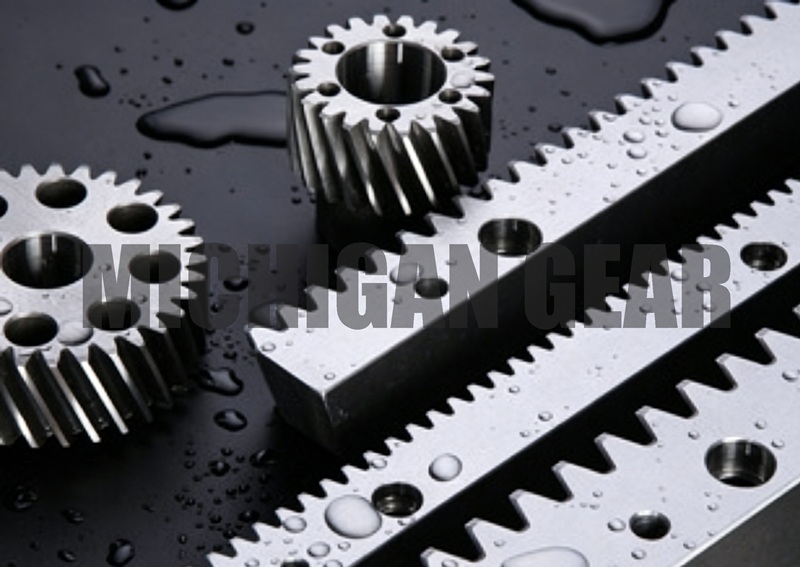
Gear Rack And Pinion systems change rotational movement into straight-line motion. Engineers use these systems for accuracy and control in machinery. The pinion rotates, moving the rack forward or backward. Industries rely on them for tasks such as material handling, CNC machines, elevator systems, manufacturing, automotive, and aerospace.
Key Takeaways
●Gear Rack and Pinion systems convert rotational motion into straight-line movement, making them essential for precision in machinery.
●Regular maintenance, including lubrication and component checks, is crucial for extending the lifespan and reliability of these systems.
Different materials and designs, such as helical and straight tooth racks, offer unique benefits for various applications in industries like automotive and robotics.
Gear Rack And Pinion Basics
Main Components
Gear Rack And Pinion systems serve as linear actuators in modern machinery. These systems consist of two main parts:
●The rack is a straight, toothed bar. It acts as the linear gear.
●The pinion is a round gear with teeth around its edge. It engages with the rack.
Manufacturers use different materials for these components to match the needs of various machines. Common materials include stainless steel, aluminum, nylon, and acetal. Each material offers unique benefits for strength, durability, and cost.
| Material |
|---|
| Stainless Steel |
| Aluminum |
| Nylon |
| Acetal |
Many racks and pinions receive heat treatments to improve hardness and wear resistance. Quality levels vary to balance power, precision, and price. Engineers select materials and treatments based on the demands of the application.
Core Function
The main function of a Gear Rack And Pinion system is to convert rotational motion into linear motion. The pinion rotates, and its teeth mesh with the rack’s teeth. This action moves the rack in a straight line. The process can also work in reverse, turning linear movement into rotation.
Tip: The geometry of the rack and pinion affects how smoothly the system operates. An involute tooth profile ensures constant velocity and reduces slipping. The pitch point is where the pinion and rack roll together without sliding. The line of action is the path along which force travels between the gears. The pressure angle influences how the load spreads and how efficiently the system works.
Rack and pinion systems are designed for automation, robotics, and inspection machines. They are available in inch and metric sizes and manufactured to tight tolerances for precise movement.
Gear Reduction and Control
Gear reduction is a key feature in many Gear Rack And Pinion setups. By adjusting the size of the pinion relative to the rack, engineers can control speed and force. A smaller pinion moves the rack more slowly but with greater force. This is important in steering systems, where smooth and controlled movement is needed.
●Gear reduction makes it easier to handle heavy loads.
●It improves accuracy in positioning tasks.
●It helps balance power and precision for different applications.
Proper gear reduction allows machines to operate safely and efficiently. It also extends the life of the system by reducing stress on the components.
Operation and Applications
How Gear Rack And Pinion Work
Gear Rack And Pinion systems operate by connecting a motor to the pinion. The pinion rotates and its teeth engage with the rack. This action converts rotary motion into linear movement. The direction of the motor shaft determines which way the rack moves. The travel distance of the rack depends on the pitch diameter of the pinion. Engineers use the formula: Linear distance = pitch × Pitch Diameter.
●The pinion attaches to a motor.
●The pinion teeth mesh with the rack teeth.
●The rack moves in a straight line as the pinion turns.
●The direction of movement changes with the motor shaft rotation.
●The travel distance is calculated using the pitch diameter.
Backlash is a common issue in these systems. Backlash means there is a small gap between the teeth of the rack and pinion. This gap can cause lost motion, especially when the direction changes. Position control becomes less accurate if backlash increases. Wear, poor lubrication, and thermal expansion can make backlash worse. Engineers reduce backlash by using racks with lower pitch errors and by keeping the gear mesh tight.
Note: Backlash affects precision. Regular maintenance and proper alignment help minimize lost motion and improve accuracy.
Types in Modern Machinery
Modern machinery uses several types of rack and pinion systems. Each type has unique features and applications. The table below shows the main types and their uses.
| Type | Description | Applications |
|---|---|---|
| Standard Rack and Pinion | Cylindrical pinion teeth mesh with a flat rack. | Automobile steering, conveyor systems |
| Helical Rack and Pinion | Angled teeth provide smoother engagement, reduce noise and wear. | CNC machines, high-precision manufacturing |
| Straight Tooth Rack | Straight teeth offer a simple, cost-effective design but are noisier. | Cost-sensitive applications |
| Planetary Rack and Pinion | Multiple pinions distribute load evenly and deliver higher torque output. | High-load handling, space-constrained machinery |
Straight and helical rack and pinion systems differ in performance. The table below compares their features.
| Feature | Straight Tooth Racks | Helical Tooth Racks |
|---|---|---|
| Noise and Vibration | More noise and vibration | Quiet operation, less vibration |
| Load Capacity | Lower load capacity, faster wear | Higher load capacity, even load distribution |
| Efficiency | Less efficient, higher friction | More efficient, smoother motion |
| Installation Complexity | Easy to install, cost-effective | Complex installation, needs precise alignment |
| Applications | Low-speed, low-precision | High-speed, high-precision |
Common Uses and Industries
Gear Rack And Pinion systems play a vital role in many industries. Their ability to provide precise linear movement makes them popular in automation and robotics. These systems control robotic arms and linear actuators for assembly, packaging, and material handling.
1.Automation and Robotics: Used for accurate control of robotic arms and actuators.
2.Automotive: Found in steering systems, lift mechanisms, and seat adjustments.
3.Aerospace: Used in aircraft control surfaces and landing gear for reliable movement.
4.Material Handling: Enable smooth operation in conveyors and forklifts.
5.Construction and Heavy Machinery: Used in cranes and excavators for steering and lifting.
Tip: Gear Rack And Pinion systems offer reliability and precision. They help machines operate smoothly and safely in demanding environments.
Advantages, Issues, and Maintenance
Benefits in Machinery
Gear rack and pinion systems provide several key advantages for modern machinery. They deliver high positioning accuracy, which is important for tasks that require precise movement. These systems offer strong load capacity and flexibility, making them suitable for heavy-duty applications. Their design allows for virtually unlimited travel length and increased rigidity. Unlike belt-driven systems, rack and pinion setups do not stretch or lose control under heavy loads.
Rack and pinion systems offer superior positioning accuracy compared to belt-driven systems due to the inherent compliance and stretch of belts. Additionally, they provide virtually unlimited travel length, increased rigidity, and are less prone to catastrophic failure in vertical applications.
Common Problems
Despite their strengths, gear rack and pinion systems can face several issues in industrial settings.
| Issue | Description |
|---|---|
| Gear Tooth Wear and Deformation | Continuous mechanical stress leads to wear and deformation, affecting precision and operational lifespan. |
| Lubrication Failures | Inadequate lubrication increases friction and heat, causing premature wear and material degradation. |
| Backlash | The gap between gear teeth leads to positional inaccuracies, compromising system efficiency. |
Other challenges include excessive friction, misalignment, and environmental factors. Humidity and moisture can cause corrosion, while dust and debris may enter the gear teeth and increase wear.
Maintenance Tips
Regular maintenance helps ensure reliable operation and extends the lifespan of gear rack and pinion systems.
●Grease the gear rack monthly with dry Teflon or every two months with lithium grease.
●Replace worn components every six months.
●Use heavy or high-viscosity oils for better lubrication, especially in large gear drives.
●Automatic lubrication systems are recommended for continuous operation.
●Keep the system clean to prevent dust and moisture from causing damage.
Regular lubrication is essential to minimize friction and prevent wear and tear on gear components.
Gear rack and pinion systems play a key role in modern machinery.
●They provide precise control in automotive steering and industrial equipment.
●Eco-friendly materials and new designs support sustainability.
1.Regular maintenance ensures safe, reliable performance.
Tip: Explore smart gear systems and self-lubricating options for easier upkeep.
FAQ
What is the main purpose of a gear rack and pinion system?
A gear rack and pinion system changes rotational motion into linear motion. Engineers use it for precise movement in machines like robots and vehicles.
How do you reduce backlash in rack and pinion systems?
Engineers reduce backlash by tightening gear mesh, using high-quality racks, and applying regular lubrication. These steps help improve accuracy and extend system life.
Which industries use gear rack and pinion systems most often?
●Automotive
●Robotics
●Aerospace
These industries rely on rack and pinion systems for reliable, accurate movement and control.
Post time: May-12-2026