


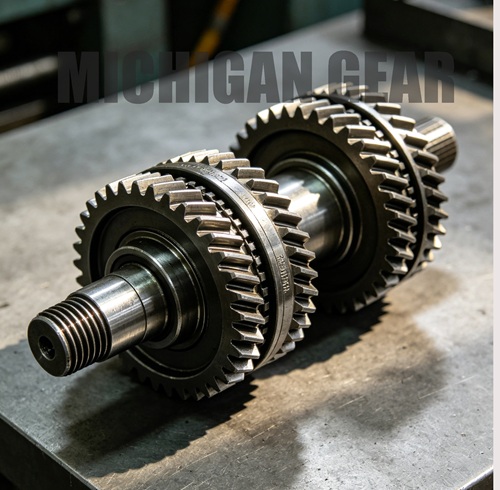
Yes, the cluster gear affects gear ratio in modern transmissions. You see the cluster gear transmit rotation between the input and output shafts. It changes the speed and torque that reach the wheels. The cluster gear contains a series of gears forged in one piece. Each gear has a different tooth count. This difference alters the gear ratio and impacts how your vehicle performs.
| Gear Type | Function | Gear Ratio Impact |
|---|---|---|
| COUNTERSHAFT | Supports the cluster gear and passes rotation through. | Alters torque and speed delivered to wheels |
| COUNTERSHAFT GEAR | Contains multiple gears in one piece. | Provides different ratios by tooth count |
Key Takeaways
●The cluster gear links the input shaft to the output shaft. This changes how speed and torque go to the wheels. Changing the cluster gear changes the gear ratio. This lets you change how fast the car goes or how much it can pull. If the cluster gear has more teeth, the car gets more torque for towing. If it has fewer teeth, the car goes faster and speeds up quickly. Knowing about gear ratios helps you pick the best cluster gear for how you drive. This is important for racing or just driving every day. You should ask an expert before you change the cluster gear. This helps your car stay safe and work well.
Cluster Gear Basics
What Is a Cluster Gear
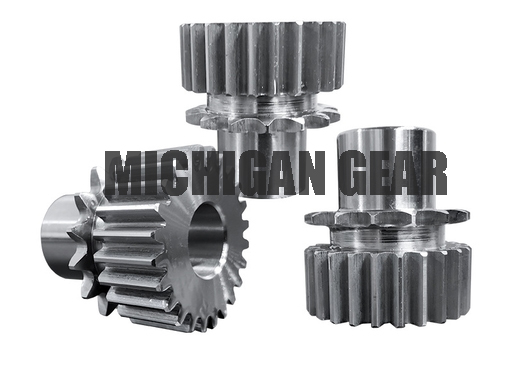
You find the cluster gear at the heart of your vehicle’s transmission. This part looks like a group of gears joined together on a single shaft. Engineers machine all the gears on one long gear blank. You see the cluster gear at the bottom of the transmission. It connects the input shaft to the output shaft. People sometimes call it a counter gear. The cluster gear helps transfer power from the engine to the wheels.
Tip: When you look inside a manual transmission, you spot the cluster gear as a solid piece with several gears lined up. Each gear has a different number of teeth. This design lets the transmission change speed and torque for each gear.
Role in Transmissions
The cluster gear plays a key role in how your car shifts and moves. When you shift gears, the cluster gear rotates and meshes with other gears. This action changes the speed and force that reach the wheels. You control how fast your car goes and how much power it uses.
Here is how the cluster gear works in a transmission:
●It connects the input shaft to the output shaft.
●It changes the direction and speed of rotation.
●It helps set the gear ratio for each gear.
| Function | Result |
|---|---|
| Transfers engine power | Moves the vehicle |
| Alters gear ratio | Adjusts speed and torque |
| Supports gear shifting | Smooth driving experience |
You notice that the cluster gear affects every shift you make. It decides how much torque goes to the wheels and how fast you can drive. If you change the cluster gear, you change the way your car performs. You get more control over speed and power.
Gear Ratio Explained
How Ratios Are Calculated
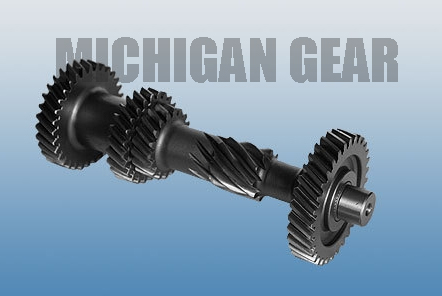
You can think of a gear ratio as a simple math problem. The gear ratio tells you how many times one gear turns compared to another. In a transmission, you find this ratio by dividing the number of teeth on the driven gear by the number of teeth on the driving gear. For example, if the driven gear has 36 teeth and the driving gear has 12 teeth, the gear ratio is 3:1. This means the driving gear must turn three times to make the driven gear turn once.
In some gear systems, like planetary gearsets, the number of teeth on each gear changes the ratio. If a sun gear has 24 teeth and a planet gear has 16 teeth, you can use the formula -N_s/N_p. This gives you a ratio of -3/2. The negative sign shows the direction changes. The formula (N_s + N_r)/N_r helps you find the ratio in a simple planetary gearset. The teeth on the sun and ring gears decide how fast and how much torque you get.
Tip: You can use a table to compare common gear ratios in modern transmissions:
| Gear Position | Typical Ratio Range |
|---|---|
| First Gear | 2.40:1 to 3.00:1 |
Cluster Gear’s Impact on Ratio
The cluster gear changes the gear ratio by using different tooth counts for each gear. When you shift gears, the cluster gear connects to different gears with unique numbers of teeth. This changes how fast your wheels turn and how much force they get. If you increase the number of teeth on the cluster gear, you lower the speed but raise the torque. If you decrease the teeth, you get more speed but less torque.
You see the cluster gear act as an intermediate gear. It connects the input shaft to the output shaft. The cluster gear decides the final ratio by how it meshes with other gears. When you change the cluster gear, you change the way your car moves. You can make your vehicle faster or stronger, depending on the gear ratio you choose.
Note: The cluster gear is a key part of the transmission. It helps set the gear ratio for each gear and affects how your car performs every time you shift.
Effects of Changing Cluster Gear
Speed and Torque Changes
Changing the cluster gear changes how your car moves. The cluster gear controls how much force goes to the wheels. It also controls how fast the wheels spin. If you use a cluster gear with more teeth, you get more torque. Your car pulls harder when starting or going uphill. If you use a cluster gear with fewer teeth, you get more speed. Your wheels spin faster, so your car accelerates quicker.
You can notice these changes when you drive. If you want to tow heavy things, pick a cluster gear with more teeth. Your engine sends more power to the wheels, but your top speed is lower. If you want to go fast, pick a cluster gear with fewer teeth. Your car moves quicker, but it cannot pull as much weight.
Tip: Changing the cluster gear changes how much fuel your car uses. Lower gears make the engine work harder and use more fuel. Higher gears let the engine run slower and use less fuel. You can see how much fuel each gear uses in this table:
| Gear | Fuel Consumption Effect |
|---|---|
| Gear 1 | Higher consumption compared to neutral |
| Gear 2 | Higher consumption compared to neutral |
| Gear 3 | More efficient than lower gears |
| Gear 4 | Most efficient among lower gears |
| Gear 5 | Highest efficiency in operation |
| Neutral | Base category for comparison |
Impact on Vehicle Performance
Changing the cluster gear lets you control how your car performs. You can make your car speed up faster or pull heavier things. You can also make shifting gears quicker. When you change the cluster gear, you lower the number of engagement teeth. This helps you shift gears faster and carry more weight.
Drivers often compare changing the cluster gear to other upgrades. You can see the differences in this table:
| Modification Type | Performance Gain Description |
|---|---|
| Cluster Gear Modification | Enhances performance through quicker shifts and increased load capacity by reducing engagement teeth. |
| Other Transmission Upgrades | Focus on stronger materials or machining, which may improve overall strength but not specifically shifting speed. |
Think about how you drive before you change the cluster gear. If you drive in the city, you might want faster acceleration. If you drive far, you might want better fuel use. If you tow things, you need more torque. Many car fans change the cluster gear to match their driving style or to make their car better for racing or off-road trips.
Note: Picking the right cluster gear can make your car work better. You get more control over speed, torque, and fuel use. Always check what your car needs and talk to an expert before making changes.
You can see how the cluster gear changes gear ratios. This change affects how your car drives. Picking the right cluster gear helps match how you like to drive. Some people want more speed. Others want more power. Gear ratios are important in different types of racing:
| Racing Type | Gear Ratio Influence | Key Considerations |
|---|---|---|
| Drag Racing | Higher gear ratios give quick starts but limit top speed. | Balance acceleration and end speed. |
| Off-Road Racing | High ratios add torque for tough terrain. | Versatility and adjustable gears help after obstacles. |
| Circuit Racing | Lower ratios boost top speed for straightaways. | Adjustable transmissions optimize for turns and straights. |
Think about these things before you change your cluster gear:
●Changes might make your speed hard to read.
●Bright or strange colors could be confusing.
●Too much stuff on the screen can take your focus away.
If you want to know more about transmission upgrades, look at these links:
1.Manual Transmission Performance Upgrades
2.HOW TO REBUILD & MODIFY HIGH-PERFORMANCE MANUAL TRANSMISSIONS
FAQ
What does a cluster gear do in a transmission?
You see the cluster gear transfer power from the engine to the wheels. It changes speed and torque for each gear. This gear helps your car move and shift smoothly.
How does changing the cluster gear affect my car?
You change the cluster gear to adjust speed and torque. More teeth give you extra pulling power. Fewer teeth help your car accelerate faster. Choose based on your driving needs.
Can you calculate gear ratio using cluster gear teeth?
| Step | Action |
|---|---|
| 1 | Count cluster gear teeth |
| 2 | Count mating gear teeth |
| 3 | Divide driven by driving |
You find the ratio by dividing the number of teeth on each gear.
Why should you care about gear ratios?
Gear ratios decide how your car accelerates and uses fuel. You pick the right ratio to match your driving style. Racing, towing, and city driving need different ratios.
Is it hard to change the cluster gear?
You need special tools and knowledge to change the cluster gear. Ask a mechanic or expert for help. This keeps your car safe and running well.
Post time: Apr-23-2026