


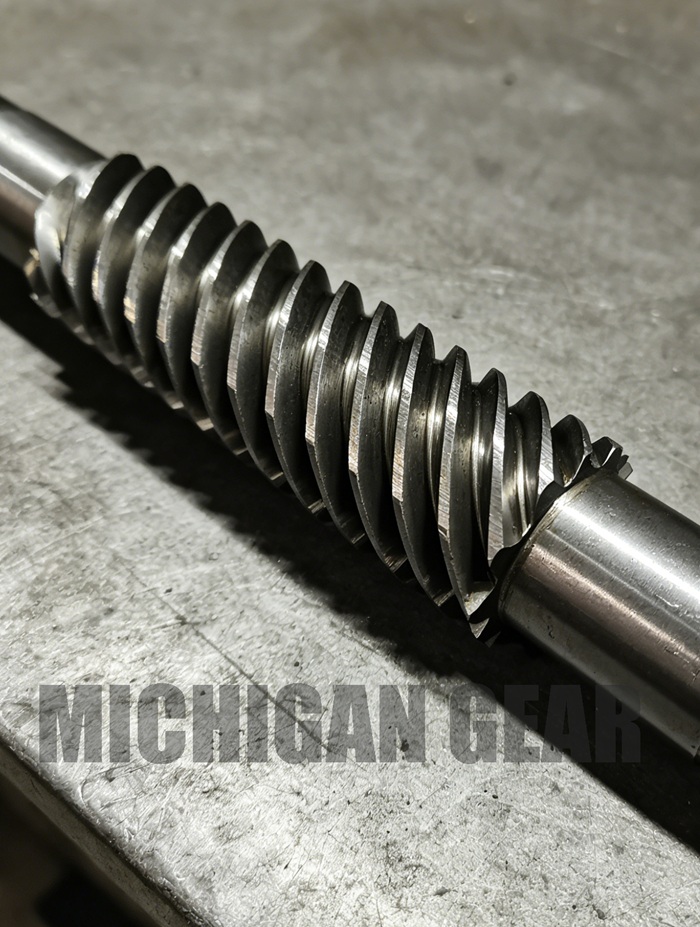
A rack and pinion is a gear system that changes spinning motion into straight-line movement. This type of gear rack and pinion helps machines move parts back and forth with accuracy. Many devices use this system for safe and smooth operation, including:
●Vehicle steering systems
●Robotics
●Industrial equipment
●Garage door openers
●CNC machines
●Aerospace
●Medical devices
Key Takeaways
●Rack and pinion gears convert spinning motion into straight-line movement, making them essential for precise control in machines and vehicles.
●Regular maintenance, including lubrication and inspections, is crucial for extending the life and efficiency of rack and pinion systems.
●Choosing the right type of rack and pinion can enhance performance and reliability, especially in applications like automotive steering and robotics.
Gear Rack And Pinion Basics
What Is Rack And Pinion?
A rack and pinion is a mechanical system that changes spinning motion into straight-line movement. The system consists of two main parts: a circular gear called the pinion and a straight bar with teeth called the rack. When the pinion rotates, it engages with the teeth on the rack, causing the rack to move in a straight direction. This mechanism is widely used to convert rotational motion into linear motion. Engineers rely on rack and pinion systems for accurate movement in machines and devices.
Note: The gear rack and pinion system is known for its high efficiency in power transmission. The direct connection between the pinion and rack reduces energy loss and allows for smooth operation over long distances.
How Gear Rack And Pinion Works
The pinion gear rotates around a fixed axis. As it turns, the teeth of the pinion mesh with the teeth on the rack. This interaction forces the rack to move along a straight path. The conversion of rotational motion to linear motion is essential for many mechanical devices, such as steering systems and machine tools.
| Mechanism | Description |
|---|---|
| Pinion Rotation | The pinion gear rotates, engaging with the rack's teeth. |
| Linear Movement | This engagement causes the rack to move in a straight line. |
| Pinion and Rack Interaction | The pinion meshes with the flat, toothed bar (rack), resulting in linear movement as the pinion rotates. |
Rack and pinion gears enable precise motion control and accurate positioning. Low backlash ensures that energy is efficiently converted into the desired movement. The system also allows for energy recovery during deceleration, which helps optimize energy use.
Key Components: Rack And Pinion
The gear rack and pinion system includes several important parts. The pinion is a round gear with teeth that fit into the rack. The rack is a straight bar with matching teeth. Both components must be made from strong materials to handle repeated movement and heavy loads.
| Material Type | Characteristics |
|---|---|
| High-Strength Steel | Exceptional wear resistance and load-bearing capacity; suitable for heavy-duty applications. |
| Aluminum Alloys | Lightweight, corrosion-resistant, ideal for aerospace and automotive applications. |
| Engineering Plastics | Low friction, self-lubricating properties; used in medical devices and automation systems. |
Different types of racks and pinions are used in machinery:
- Straight Teeth: Suitable for general use with standard speeds.
- Helical Teeth: Designed for smoother and quieter motion, ideal for high-speed and high-load applications.
- Roller Pinions: Uses rollers to minimize backlash and improve accuracy.
Regular maintenance is important for rack and pinion systems. Lubrication reduces wear and noise. Inspections help detect tooth wear and alignment issues. Advanced materials and coatings, high-precision manufacturing, and smart monitoring systems are recent innovations that improve performance and reduce maintenance needs.
Tip: Choosing the right type of rack and pinion and proper materials can increase efficiency and extend the life of the system.
Rack And Pinion Applications And Safety
Common Uses In Machinery And Vehicles
Gear rack and pinion systems play a vital role in many industries. They provide precise linear motion and reliable performance. Here are some primary applications:
- Automation and Robotics: Gear rack and pinion systems control robotic arms and linear actuators with high accuracy.
- Automotive: These gears are found in steering mechanisms, lift systems, seat adjustments, and convertible top operations.
- Aerospace: Rack and pinion gears operate aircraft control surfaces, landing gear, and cargo handling systems.
- Material Handling: Conveyors, forklifts, and automated storage systems rely on rack and pinion for smooth movement.
- Construction and Heavy Machinery: Cranes, excavators, and loaders use rack and pinion for steering, lifting, and positioning.
Rack and pinion gears also improve precision in CNC machines. They convert rotational motion into linear movement, ensuring accurate and repeatable positioning.
Safety Importance In Automotive Steering
Safety is a major concern in automotive applications. Rack and pinion gears convert rotary motion from the steering wheel into linear motion, which turns the vehicle's wheels. Curved rack and pinion gears enhance steering control in modern cars.
Problems with gear rack and pinion systems can lead to dangerous situations:
- Difficulty steering, especially at low speeds or when turning.
- Loose or unresponsive steering, making control challenging.
- Unusual noises, such as clunking, may signal damage.
- Steering wheel play or excessive looseness can reduce precision.
Immediate attention is necessary if these issues appear. Damaged rack and pinion gears can cause loss of control and increase the risk of accidents.
Comparison With Other Gear Systems
Rack and pinion systems offer several advantages over other linear motion systems:
- They are highly efficient in power transmission, minimizing energy losses.
- Rack and pinion systems have lower inertia and higher efficiency than ball screws, especially over longer travel lengths.
- Their simple design leads to fewer parts and greater reliability.
- Maintenance costs are lower, and the systems are robust and resistant to wear.
| Property | Rack and Pinion | Ball Screw | Timing Belt |
|---|---|---|---|
| Relative cost per metre | Medium | High (and rises with length) | Low |
Gear rack and pinion systems provide a balance of performance, durability, and cost, making them a popular choice in many applications.
Rack and pinion gears change spinning motion into straight-line movement. These systems help machines and vehicles move safely and accurately. In cars, they give drivers stable control and quick response during emergencies. Learning about rack and pinion gears builds practical knowledge for both students and professionals.
FAQ
What is the main advantage of rack-and-pinion drives?
Rack-and-pinion drives offer precise linear motion. They provide smooth movement and reliable performance in many machines.
How do rack-and-pinion mechanisms differ from other gear systems?
Rack-and-pinion mechanisms convert rotary motion into straight-line movement. Other gear systems often transfer motion between rotating parts.
Where can I see rack and pinion gears in daily life?
You can find rack and pinion gears in car steering, sliding gates, and some types of industrial equipment.
Tip: Regular maintenance helps rack and pinion gears last longer.
Post time: May-06-2026